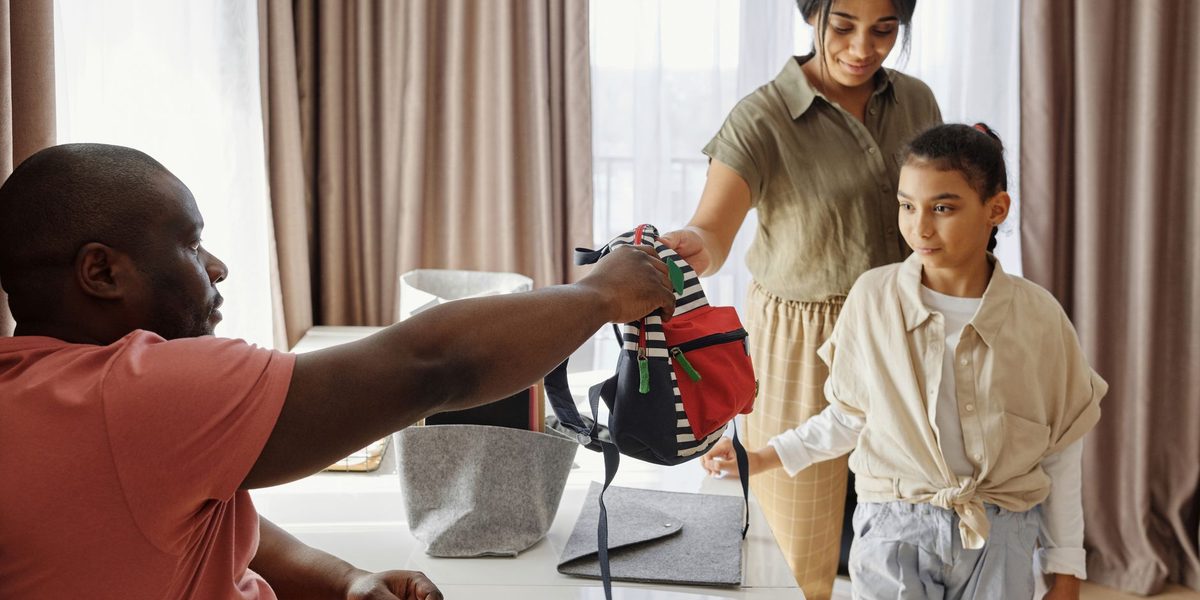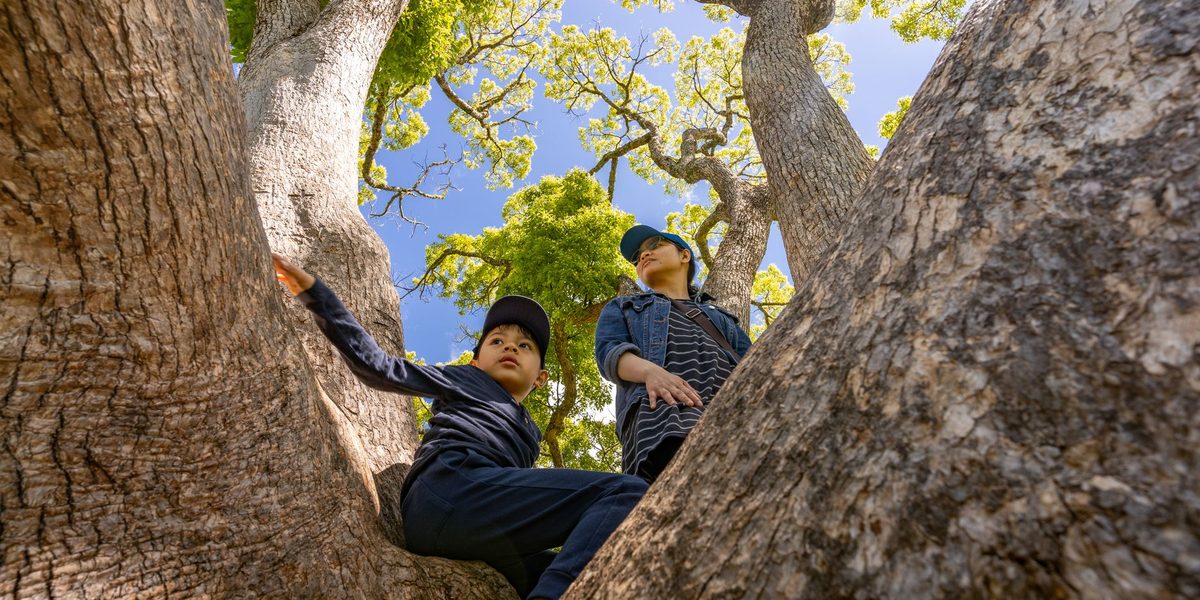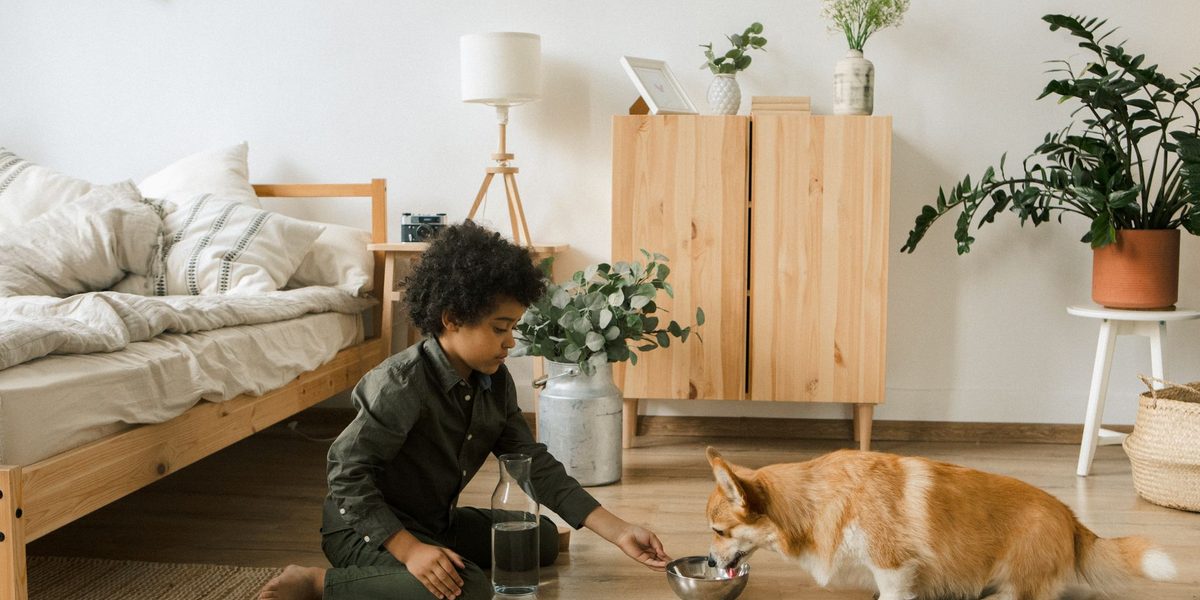
When two families move under one roof, the wedding photos suggest a fresh start, but the daily reality feels more like a slow merger between two companies with different cultures, different histories, and employees who never applied for the job. The first year of a blended family is rarely smooth, and that is not a sign of failure. It is a sign that real people are adjusting to real change. Couples who go in expecting instant warmth often panic when they get polite distance or open resistance instead. Couples who go in expecting a long, uneven adjustment tend to weather it far better. Here is what that first year actually asks of everyone involved, and how to give your new family its best chance.
Expect Adjustment in Seasons, Not Weeks
Most families need years, not months, to feel genuinely settled, and the first year is mostly about laying foundations rather than harvesting closeness. Early on there is often a honeymoon stretch where everyone is on best behavior, followed by a dip once the novelty wears off and the friction of daily life shows up. That dip catches many couples off guard. The bathroom schedule, the noise level, the way one household eats dinner together while the other grazes, all of it collides in ordinary moments.
Pacing matters more than effort. You cannot force bonding by scheduling constant togetherness, and trying usually backfires. A better rhythm is a mix of whole-family time, one-on-one time between each parent and their own children, and gradually increasing time between stepparents and stepchildren in low-pressure settings. Think car rides, errands, and shared tasks rather than staged heart-to-hearts. Let the relationship grow sideways, through repetition and reliability, instead of demanding it grow on command.
Let the Stepparent Earn the Role Slowly
The most common first-year mistake is a stepparent stepping into a disciplinarian role before trust exists. Children accept limits from people they feel attached to, and attachment takes time. In the early months, the biological parent should remain the primary rule-setter and enforcer for their own children, while the stepparent acts more like a warm, involved adult, closer to a beloved coach or aunt than a second parent. The stepparent can absolutely uphold house rules in the moment, but framing helps: saying that a rule belongs to the household, rather than issuing personal commands, keeps things from becoming a power struggle.
This slower path can feel demoting to a stepparent who is paying bills, doing school runs, and cooking dinners. It helps to name the long game together as a couple. The goal is not to win authority quickly but to build a relationship strong enough that authority eventually feels natural. Stepparents who invest first in knowing the child, their interests, their humor, their sore spots, usually find that respect follows. Those who lead with control often spend years digging out of the resentment it creates.
Understand the Loyalty Bind Your Kids Are In
Children in blended families often carry a quiet, painful math problem: if I like my stepparent, am I betraying my other parent? This loyalty bind explains a great deal of first-year behavior that otherwise looks like rudeness. A child might laugh with a stepparent one evening and turn cold the next morning, especially after a visit or phone call with the parent who lives elsewhere. The warmth was real, and so is the guilt that followed it.
Adults can loosen this bind, but only adults can. Tell children directly that loving their other parent is good and expected, that no one is being replaced, and that liking their stepparent takes nothing away from anyone. Never criticize the other parent in front of the kids, and do not fish for information about the other household. When children sense that the adults are not competing for their loyalty, they stop feeling like they have to ration their affection. That single shift can do more for family peace than any chore chart or family meeting.
Protect the Couple Relationship Without Flaunting It
A blended family is built on a couple relationship that the children did not choose, which puts that relationship under unusual strain. The kids test it, exes complicate it, and logistics devour it. Yet the marriage or partnership is the load-bearing wall of the whole structure, and it needs deliberate maintenance: regular time alone together, honest conversations away from little ears, and a firm agreement to present decisions jointly even when you disagreed privately.
At the same time, be thoughtful about how visible your romance is early on. Children who are still grieving their original family can experience heavy public affection as salt in a wound. You do not need to hide that you love each other, and you should not, but leading with steadiness rather than showiness gives kids room to accept the relationship at their own speed. Unity in front of the children, tenderness in private, and zero tolerance for letting kids split the two of you against each other is a workable first-year formula.
Build House Rules That Survive Two Households
Most blended families operate across more than one home, and children quickly learn that the rules differ. You cannot control the other household, and trying to will exhaust you. What you can do is make your own home predictable. Sit down as a couple and agree on a short list of house rules that apply to every child regardless of whose child they are: how screens work, what bedtime looks like on school nights, how people speak to each other, what happens with chores. Fairness between stepsiblings is watched closely, so keep expectations as even as ages allow.
- Keep the rule list short enough for a child to recite, five or six items at most.
- Frame rules as belonging to the house, not to one parent, so no adult becomes the villain.
- Accept that the other home will do things differently, and say so without judgment: different houses, different rules.
- Revisit the list after a few months, because the first draft never fits real life perfectly.
Expect Grief to Share the House With You
Every blended family is built on top of a loss, whether through divorce or death, and children often re-grieve the original family precisely when the new one starts to work. A wedding, a move, or a new baby can stir sadness that looks like anger or withdrawal. Do not treat this as ingratitude. Make space for kids to miss what was, keep photos and memories of their earlier life welcome in the new home, and resist the urge to sell the new family as an upgrade. If a child's sadness, anger, or withdrawal is intense or lasts many months, a family therapist or counselor who knows stepfamily dynamics can help; asking for that support early is wisdom, not defeat.
Measure Progress by the Right Yardstick
If you judge the first year by how much everyone loves each other, you will likely feel like you are failing. Judge it instead by function: Are conflicts getting resolved a little faster? Can people share a meal without incident? Does anyone laugh at the same joke? Has a stepchild started coming to the stepparent for small things, a ride, a snack, help with homework? Those small transactions are the actual bricks of a blended family. Warmth is built out of hundreds of them, and the first year is mostly bricklaying.
Final Thoughts
The first year of blending two families takes patience that feels excessive, unity that gets tested weekly, and a willingness to let relationships grow at the speed of trust rather than the speed of hope. Go slow with roles, take the loyalty pressure off the kids, keep the couple strong and steady, and make one home predictable rather than trying to make two homes identical. Families that get through the first year this way rarely describe it as easy. They do, almost always, describe it as worth it.