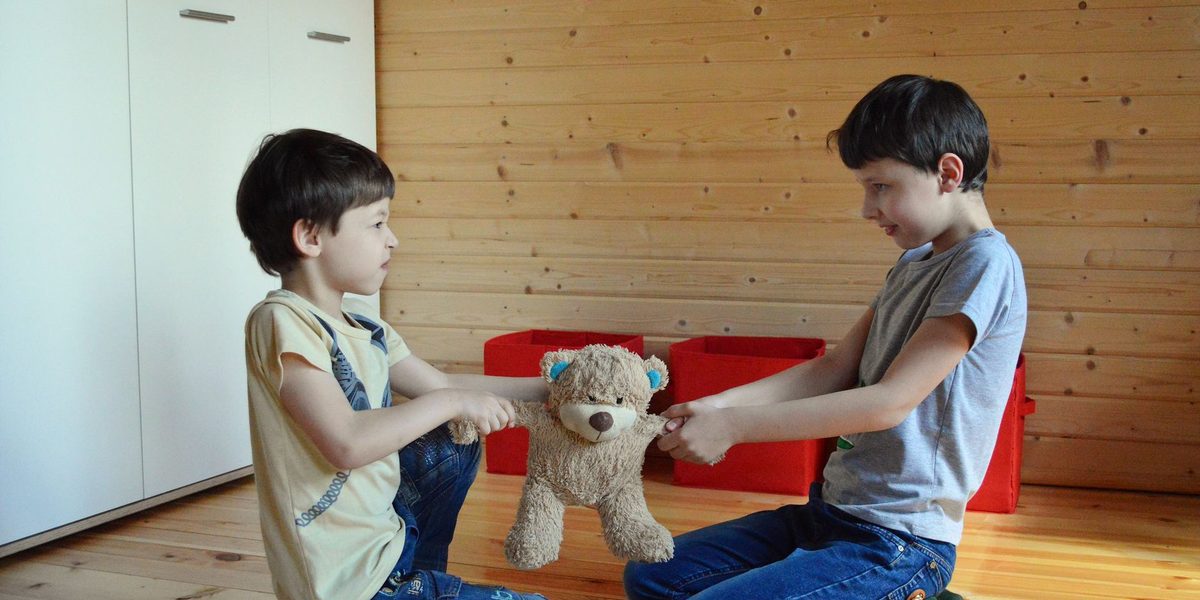
Few conversations feel heavier than telling your children that their parents are separating. Most parents replay it for years, wondering if they said the right things, and most children remember it in unusual detail. But research on families and the lived experience of countless households point in the same encouraging direction: children are not doomed by separation itself. What shapes their adjustment is how the adults handle it, before, during, and long after the moving boxes are gone. Kids can come through a separation feeling secure and loved. Getting there depends less on grand gestures and more on a steady set of choices parents make every ordinary week.
Telling Them: What to Say
If at all possible, both parents should tell the children together, calmly, and in a moment when there is time to sit with the reaction rather than rushing off to school or work. Keep the explanation simple and honest without adult detail: we have decided we cannot live together anymore, we both love you, and this is not because of anything you did. Children of nearly every age quietly wonder whether they caused the split, so say plainly that they did not, and expect to repeat it more than once, because one telling rarely sinks in.
Then focus on the questions kids actually care about, which are concrete and personal. Where will I live? Will I change schools? Who takes me to practice? What happens to the dog? Answer what you know, and when you do not know yet, say so and promise to tell them as soon as you do. It is fine to show some sadness of your own; it teaches children that feelings are speakable. What they need most is the sense that the adults have a plan, even a rough one, and that their world will keep working.
What Not to Say, No Matter How True It Feels
Some sentences relieve a parent's pain by transferring it to the child, and they are worth banning outright. Do not blame the other parent, even by implication, and even if the facts are on your side. A child is half of each of you; an attack on the other parent lands, in the child's body, as an attack on part of themselves. Avoid oversharing adult reasons, finances, or grievances, and avoid asking children to weigh in on adult decisions, which hands them responsibility no child should carry.
- Skip false hope, such as hinting you might get back together, unless it is genuinely likely.
- Never call the child the reason you stayed as long as you did.
- Do not quiz them about the other parent's home, spending, or new relationships.
- Avoid labeling the separation a tragedy in front of them; your framing becomes their framing.
Build Stability Anchors Into Every Week
When one big thing changes, children cling to the small things that do not. Adjustment goes better when parents deliberately protect a set of stability anchors: the same school if possible, the same bedtime rituals, the same weekend pancakes, the same coach and teammates, the same grandparent phone call. These routines are not trivia. They are the child's evidence that life is still recognizable.
Predictability about the schedule matters just as much. Children handle two homes far better when they always know where they will be and when, so keep a simple calendar they can see, prepare them before transitions, and be reliably on time for pickups. A parent who shows up when they said they would is teaching, week after week, that promises still hold in this family. If you must change plans, tell the child directly and early rather than letting them find out at the door.
Never Use Children as Messengers or Spies
One of the most damaging patterns after separation is also one of the easiest to slide into: routing adult communication through the child. Tell your father the check is late. Ask your mom why she scheduled over my weekend. Each message seems small, but the child becomes the carrier of adult conflict, bracing for the reaction on the other end. The same is true of pumping kids for information about the other household, or letting them overhear you dissect the other parent on the phone. Children in the middle learn to manage their parents' feelings instead of their own, and that burden shows up later as anxiety, guardedness, or anger.
The rule is simple and absolute: adult business travels adult channels. If a topic involves money, scheduling, or grievances, it goes parent to parent, never through the child. When a child volunteers something about the other home, respond with mild, pleasant interest and move on, so they learn that reporting is not their job.
Make Co-Parenting Communication Boring on Purpose
You do not need to be friends with your co-parent; you need to be functional colleagues in the shared project of raising your children. The most useful tone is businesslike: brief, informative, friendly, and firm. Written messages or a shared calendar work well for logistics because they cool tempers and create a record. Keep messages about the children, not the relationship. If a message makes you flush with anger, draft your reply and send it hours later, after the heat drains out of it.
Consistency between homes helps children, but perfection is not required. Agree where you can on the big items, such as bedtimes on school nights, screen limits, and how discipline works, and let the small differences go. Children adapt easily to two houses with slightly different rules. What they cannot adapt to is two parents at war.
Expect Feelings to Arrive on Their Own Schedule
Children rarely process separation in one tidy phase. A child who seems fine at first may fall apart months later, and grief often wears disguises: stomachaches, irritability, clinginess, slipping grades, regression to younger behavior in little ones, or a teenager's sudden distance. Keep the door open with low-pressure invitations to talk, often side by side during a drive or a walk rather than face to face. Name feelings without demanding them, as in, a lot of kids feel angry when this happens, and let silence be acceptable. Reassure them repeatedly that both parents are still theirs, because repetition is how children believe things.
Signs a Child May Need Professional Support
Most children work through separation with time and steady parenting, but some need more help, and noticing early is a gift. Consider talking with your pediatrician, the school counselor, or a child therapist if difficulties are intense, are lasting more than a couple of months, or are getting worse instead of better. Watch for persistent sleep problems, withdrawal from friends and activities they used to love, a sustained drop in schoolwork, frequent physical complaints with no clear cause, aggressive outbursts that feel out of character, prolonged regression, or any talk of self-harm or of being better off gone, which warrants prompt professional attention. Seeking support is not an admission that you failed; it is one more way of showing your child that their feelings matter and help exists.
Final Thoughts
Children do not need their parents to stay together to grow up secure. They need truth told gently, routines that keep holding, freedom from adult conflict, two parents who speak to each other like professionals, and adults who notice when they are struggling. None of that requires a perfect separation, only a protected childhood inside an imperfect one. Handle the adult storm between the adults, keep the child's world steady and warm, and you give your children what they need most: proof that the family changed shape, but never stopped being theirs.