Utility bills are the stealth expense of family life. No single bill feels dramatic, but add up a year of electricity, heat, and water and the total often rivals a family vacation — or two. The good news is that utilities are one of the few household costs you can cut without a phone call, a negotiation, or a lifestyle downgrade. Most homes leak money in a dozen small, fixable ways, and the fixes are one-time efforts that keep paying forever. The easiest way to find them is to walk your home the way an energy auditor would: one room at a time.
Start With the Whole-House Basics
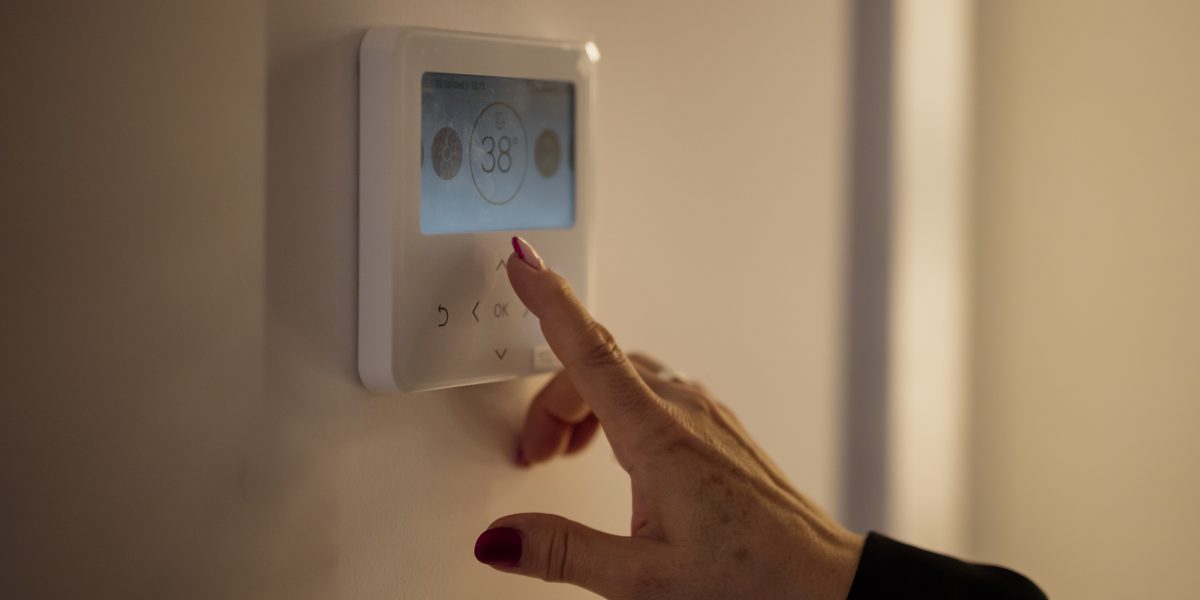
Before the room-by-room tour, handle the systems that touch every room. Heating and cooling dominate most utility bills, and the thermostat is the single most powerful dial in the house. Every degree closer to the outdoor temperature saves real money, and most families adapt to a small adjustment within a week — especially when it comes with the reminder that sweaters are free. A programmable or smart thermostat earns its keep by lowering things automatically overnight and when the house is empty, which is exactly when nobody notices.
Then hunt drafts. Gaps around doors, windows, attic hatches, and pipe entries quietly pour heated or cooled air outdoors. A tube of caulk, some weatherstripping, and a door sweep cost little and take an afternoon; they're routinely the highest-return home improvement available. While you're at it, check filters on your heating and cooling system — a clogged filter makes the most expensive machine in your house work harder to do less.
The Kitchen: Small Machines, Big Habits
The kitchen's savings live mostly in habits. Run the dishwasher only when full, skip the heated-dry cycle and crack the door instead, and keep the fridge and freezer full-ish but not crammed — a full fridge holds temperature better, but blocked vents make it labor. Check the fridge door seal by closing it on a piece of paper: if the paper slides out easily, the seal is letting cold leak out around the clock.
Match the appliance to the job. Reheating in a microwave or cooking small meals in a toaster oven or air fryer uses a fraction of what heating the full oven does, and lids on pots genuinely cut stovetop cooking time. None of these change what your family eats — only what the meal costs to produce.
The Laundry Room: Cold, Full, and Line-Dried
Laundry is a utility triple-hit — electricity, water, and heat — and it offers some of the easiest wins in the house. Wash in cold water: modern detergents are formulated for it, most clothes prefer it, and heating water is the majority of a wash cycle's cost. Run full loads rather than frequent small ones, and clean the dryer's lint filter every time, since a clogged filter stretches drying time and shortens the machine's life.
The dryer itself is the room's luxury item. A drying rack or clothesline handles a surprising share of the household's laundry at zero cost, and dryer balls shorten the loads that do tumble. Families who shift even half their drying off the machine notice it on the bill — and their clothes last longer, which is its own quiet savings.
The Bathroom: Hot Water Is Money
Almost everything expensive in a bathroom is really the water heater's bill. Shorter showers are the obvious lever — a family of four trimming a few minutes each saves a startling amount of heated water over a year — and a low-flow showerhead delivers the same feeling with less flow, silently, forever. Fix dripping taps and running toilets promptly: a running toilet can waste more water than every intentional use in the house combined.
Check the water heater itself. Many are set hotter than any household needs; a modest setting still delivers steaming showers while trimming standby losses and reducing scald risk for little kids — a rare double win of savings and safety.
Bedrooms and Living Areas: Kill the Standby Drain
The living spaces leak money through electronics that never truly sleep. Televisions, consoles, chargers, speakers, and set-top boxes sip power around the clock in standby mode, and together this phantom load can account for a noticeable slice of the electric bill. Group them on power strips and make lights-out actually mean off — one switch, whole entertainment center dark.
- Swap remaining old bulbs for LEDs; they use a fraction of the power and last for years.
- Use lamps for evening light instead of lighting whole rooms nobody is fully using.
- In summer, ceiling fans let you set the thermostat higher; in winter, reversed, they push warm air down.
- Close curtains at night to keep heat in, and open sun-facing ones on winter days for free warmth.
None of these require a family meeting — just an afternoon of setup and a few new reflexes.
Make It a Family Game, Not a Nagging Campaign
A parent patrolling the house flipping off lights is fighting a losing war. A family competing against its own utility bill is a different story. Show the kids the actual bill and the meter, set a target, and split the winnings: whatever the household saves versus last season, a share funds something the kids choose. Suddenly short showers and switched-off consoles have a constituency.
Kids are natural auditors once deputized — they will gleefully bust every left-on light and empty-room television, including yours. Beyond the savings, they're absorbing a durable lesson: the household's resources are managed by the household, and small habits, multiplied by a family and a year, become real money.
Read Your Bill Like a Report Card
Finally, close the loop. Once a month, glance at the usage numbers on your bills — not just the amount due — and compare against the same month last year, since weather makes neighboring months misleading. That single habit tells you whether the changes are working, flags problems early (a silent leak, a failing appliance, a thermostat someone quietly renegotiated), and turns the utility bill from a passive tax into a scoreboard.
When a bill spikes without explanation, investigate rather than shrug. The cause is usually findable: a running toilet, a space heater habit, a fridge seal, a teenager's marathon showers. Every mystery solved is a permanent discount.
It's also worth a periodic check that you're on the right plan with your providers. Many utilities offer time-of-use rates, budget billing that smooths seasonal spikes, or free efficiency audits, and a ten-minute review once a year sometimes saves more than a month of diligent switch-flipping. The habits cut the usage; the occasional paperwork makes sure you're paying the best available price for what remains.
Final Thoughts
Cutting utility bills isn't one big sacrifice — it's fifty small adjustments, most of which your family will stop noticing within a month. Handle the whole-house basics first, then walk the rooms: full loads and cold washes, shorter showers and sealed drafts, LEDs and murdered standby power. Recruit the kids with a share of the winnings, and read the bill monthly so progress stays visible. The reward compounds quietly: money that used to warm the sky above your roof stays in the budget, year after year, funding things your family will actually remember.