Every parent wants to raise a responsible kid, and most of us try to get there the same exhausting way: reminding. Pack your bag. Feed the dog. Did you feed the dog? You need to feed the dog. The strange result is a household where the parent does all the remembering and the child does only the physical motions — which means the parent, not the child, is actually the responsible one. Nagging does not build responsibility; it substitutes for it. Real responsibility is the ability to see what needs doing, remember it, do it without applause, and own the result. That is a trainable skill, but the training looks very different from a reminder system. Here is what it looks like instead.
Understand the Difference Between Helping and Owning
There are two ways a child can be involved in a task, and they build entirely different muscles. A child who sets the table when asked is helping: the adult holds the responsibility, notices the need, issues the instruction, and checks the work. A child who owns the table setting — knows dinner happens at six, notices the clock, does it unprompted, and hears about it from a hungry family if they forget — is practicing responsibility. Same forks, completely different lesson.
Most households never make this handoff. The child helps for years and everyone wonders why, at sixteen, they still cannot get themselves out the door. The handoff is the whole game: at some point, the noticing, remembering, and consequence-bearing must transfer from your head to theirs. Everything else in this article is about how to make that transfer stick.
Give Real Jobs With Real Stakes
Kids can smell fake responsibility. A task that a parent silently redoes, or that matters to no one, teaches only that their work is decorative. Ownership grows when the job is genuine — the household actually depends on it, and its neglect is actually felt:
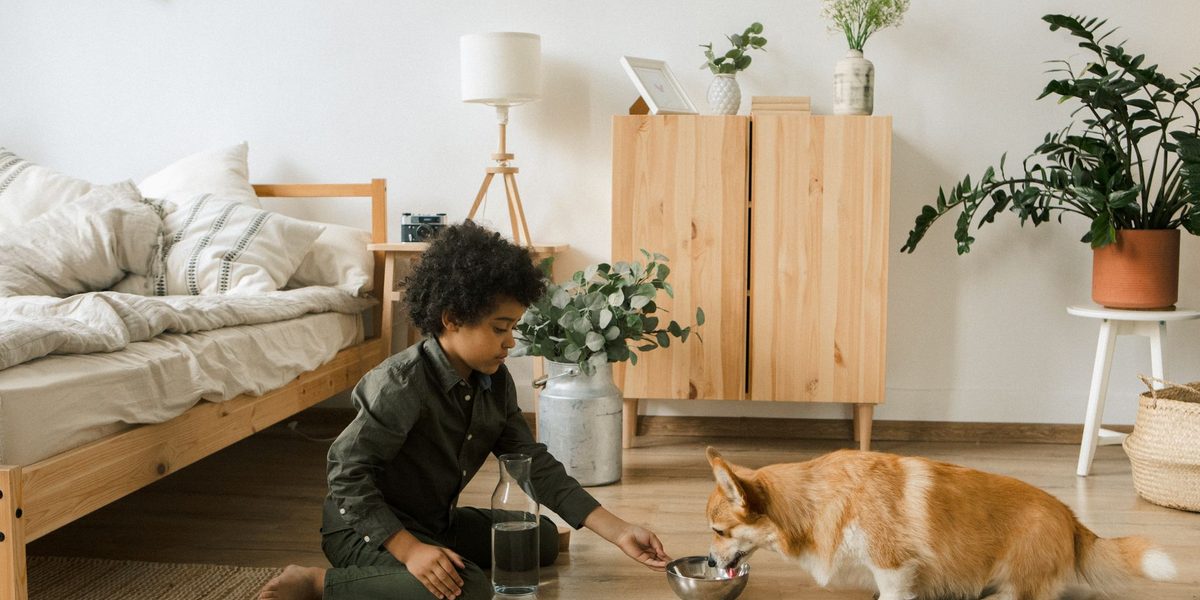
- The dog eats because of them. Living things and family systems make the most honest bosses.
- Their laundry is theirs from a reasonable age — and a kid who skips it wears the consequences, literally.
- They own a family contribution, not just self-care: trash night, unloading the dishwasher, watering the garden. Responsibility to others builds something that cleaning one’s own room never will.
- Scale up with age: a teen can own a weeknight dinner, the grocery list, or booking their own haircut.
Then — this is the hard half — accept their standard of execution while they learn. A seven-year-old’s made bed looks like a dropped tent. Redoing it in front of them, or after they leave, sends the real message: your effort was not actually needed. Coach toward better; never silently replace. A slightly lumpy bed is tuition.
Retire the Reminder Service — and Say So
Here is the paradox at the heart of nagging: as long as you are the alarm system, the child never needs to develop one. Their brain, quite reasonably, does not store what your voice reliably supplies. So the handoff must be explicit, and it must include the reminders. Sit down and say it plainly: “Packing your bag is yours now. I’m not going to remind you anymore — not because I don’t care, but because you’re ready to remember it yourself.”
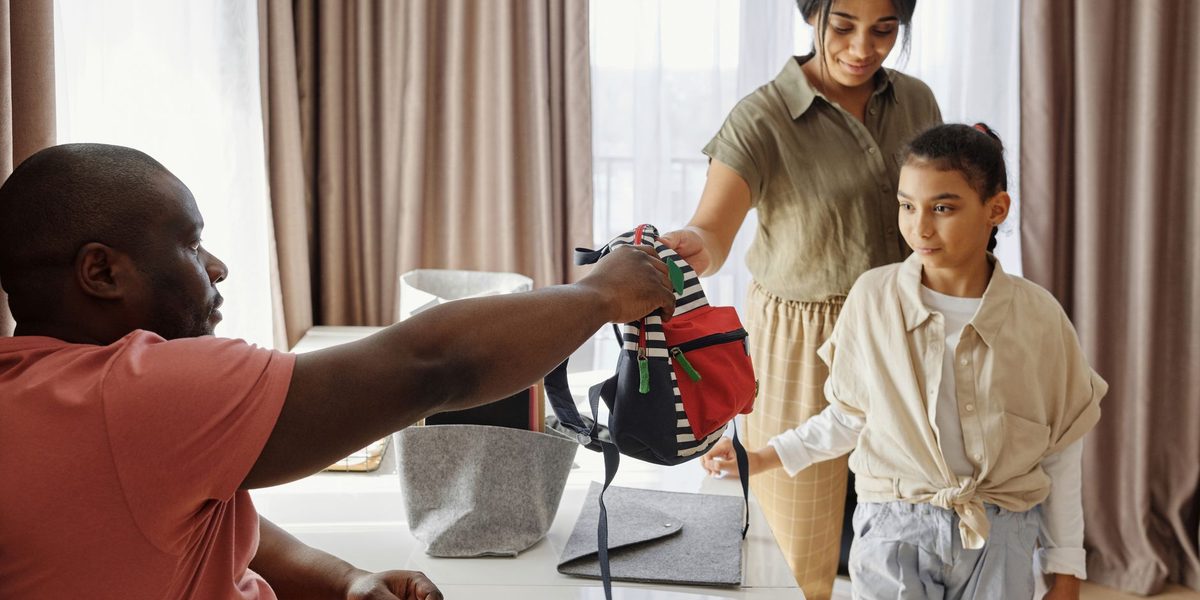
Then help them build the scaffolding that replaces you, because “just remember” is not a skill. A checklist taped by the door. A phone alarm they set themselves. A launch pad — one spot where the bag, the shoes, and the permission slip live. The goal is not a child with a perfect memory; adults do not have those either. The goal is a child who owns their own systems instead of renting yours. When they forget anyway — and they will — resist the rescue reflex and the lecture reflex alike. Which brings us to consequences.
Let Natural Consequences Do the Teaching
The most powerful responsibility teacher in your house is not you; it is reality, and it works best when you stop intercepting it. The forgotten lunch means a hungry afternoon and a memorable lesson. The unwashed uniform means playing in a stinky one. The homework left on the counter means explaining to the teacher, not to you. These outcomes are proportionate, impersonal, and unforgettable — everything a lecture is not.
Parents block this teacher in two ways. The first is rescuing: driving the lunch to school every single time, which teaches that forgetting is free. The second is piling on: adding anger and a sermon to a consequence that was already doing the work, which shifts the child’s attention from I forgot my lunch to my parent is mean. The graceful move is sympathy without rescue: “Ugh, that’s rough. What’s your plan for tomorrow?” You are on their side against the problem — not the source of the problem, and not the solution to it. Reserve your intervention for stakes that are genuinely too high, and let the small, cheap failures of childhood teach lessons at childhood prices.
Teach Them to Own Mistakes, Not Just Tasks
Responsibility has a second half that chore charts never touch: what a person does after they get it wrong. Kids default to the universal trio — deny, blame, minimize — unless they are taught the braver sequence: admit it, fix what can be fixed, and make amends. Teach it as a family script: “In this house, when we mess up, we say so, we clean it up, and we make it right.” Then walk them through it warmly the first fifty times: the confession to the neighbor about the broken window, the allowance contribution to the repair, the apology delivered in person.
Two parental behaviors decide whether this takes root. First, how you respond to confessions: a child who tells the truth and gets an explosion learns to lie better, so honesty must always land softer than concealment — even when the truth is expensive. Second, whether they ever see you do it. A parent who says “I was wrong yesterday, and I’m sorry — I’m going to fix it” is delivering the single most persuasive responsibility lesson available anywhere. Kids become what they watch far more than what they are told.
Praise the Identity, Not Just the Act
How you talk about your child shapes who they believe they are, and people act like who they believe they are. When they come through — feed the dog unasked, own a mistake, remember the bag three days running — name it as character, not luck: “You’re someone who handles things.” “I never have to wonder if the dog ate — that’s real reliability.” Children work hard to keep being the person their family already sees.
The reverse is just as strong, so watch the casual labels. A kid who hears “you’d forget your head if it wasn’t attached” at every slip is being handed an identity too — the forgetful one — and identities get lived up to. Correct the behavior, protect the reputation: “That’s not like you — you’re usually on top of this.” It is not flattery. It is aiming their self-image at the person you are trying to grow.
Final Thoughts
A responsible kid is not a kid who obeys reminders quickly. It is a kid who no longer needs them — because the noticing, the remembering, the consequences, and the repairs have all genuinely moved into their hands. Getting there costs some lumpy beds, some hungry afternoons, and the daily discipline of not rescuing, not redoing, and not narrating. But the trade is spectacular: the nagging ends, the trust grows, and one unremarkable Tuesday you watch your child handle something entirely on their own — and realize the reminder service closed for good, because it finally went out of business.