There is a particular feeling that comes from walking into the kitchen at 6 a.m. and finding last night's pots still in the sink, homework spread across the table, and no clean mugs in the cupboard. The day starts in a hole. The evening reset exists to prevent exactly that feeling. It is not deep cleaning, and it is not a second shift of housework at the end of a long day. It is a short, repeatable routine — about fifteen minutes — that closes out today and quietly sets up tomorrow. Families who adopt it consistently often say the same thing: mornings changed first, and then the whole mood of the house followed.
Why the Evening Beats the Morning
Morning energy is precious and scarce. Whatever willpower your household has at 6:45 a.m. is already spoken for by lunches, lost shoes, and getting out the door. Evenings, for all their tiredness, have more slack — dinner is done, nobody is racing a school bell, and small tasks can happen at a relaxed pace.
A reset done at night pays off twice. Tonight, you get the psychological ease of sitting down in a room that is not shouting at you with unfinished tasks. Tomorrow, you wake into a home that is already one step ahead: counters clear, bags packed, coffee ready to go. The work is identical either way; the timing is what changes everything.
The Three Zones That Matter Most
A reset works because it is limited. You are not cleaning the house; you are resetting the three zones that shape how tomorrow begins.
- The kitchen: dishes in the dishwasher and started, counters wiped, sink empty. The kitchen is the first room most families see in the morning, and its state sets the emotional tone of the day.
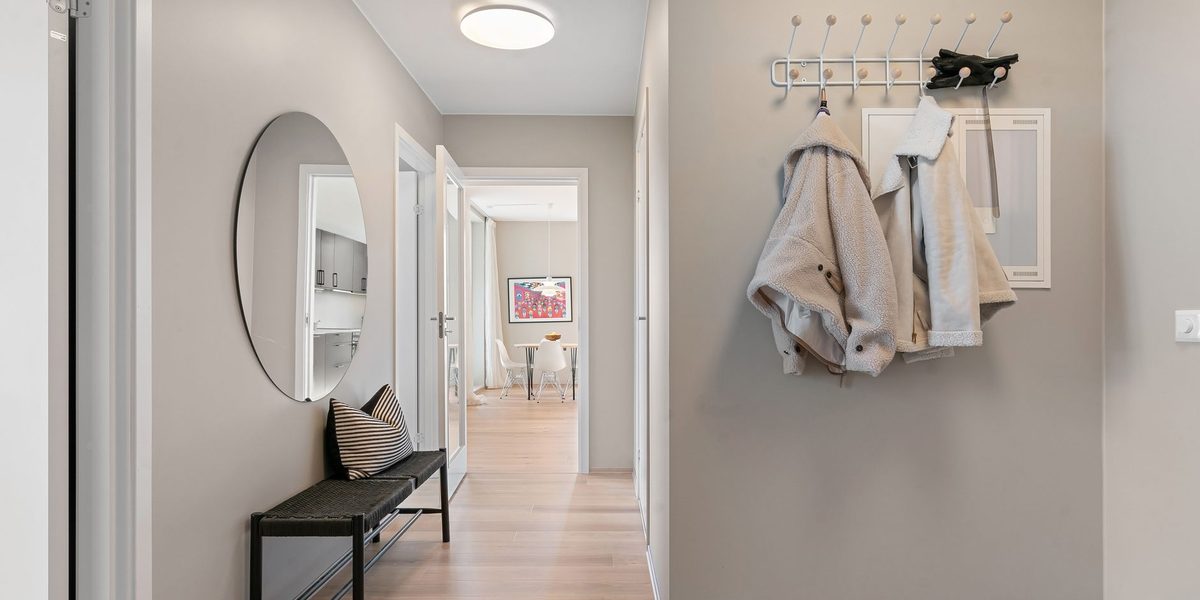
- The launch pad: wherever your household exits — front hall, mudroom, back door. Bags packed and staged, shoes paired, anything that must leave the house sitting where it cannot be missed.
- The main living space: a fast surface pickup. Cushions back, blankets folded, stray cups to the kitchen, toys into their bin. Not spotless — just reset.
Everything else can wait. Bathrooms, bedrooms, and floors belong to other routines. The discipline of ignoring them is what keeps the reset short enough to survive.
Make It a Family Event, Not a Parent's Job
Fifteen minutes assumes more than one pair of hands. Done solo, this is a forty-minute slog and it will not last. Done together, it is quick and oddly companionable. Set a timer, put on two or three songs, and give everyone a zone or a job that fits their age: a four-year-old ferries toys to the bin, a ten-year-old packs her own school bag and wipes the table, a teenager handles the dishes rotation.
The timer matters more than it seems. It converts an open-ended chore into a contained sprint with a visible finish line, which is a much easier sell to children — and to tired adults. When the timer sounds, the reset is over, even if it is imperfect. That promise is what earns everyone's cooperation tomorrow night.
Fold In Tomorrow's Setup
The second half of the reset looks forward. While the kitchen crew finishes, someone glances at tomorrow: What is on the calendar? Who needs a permission slip, gym clothes, or a packed lunch? Is anything defrosting for dinner? Two minutes of looking ahead at 8 p.m. routinely saves twenty minutes of scrambling at 7 a.m.
Small setups compound. Lay out clothes — children's and adults' alike. Fill water bottles and stand them by the bags. Set the breakfast table or at least stage the bowls and cereal. Put car keys, wallets, and badges in their one agreed spot. None of these takes more than a minute, and each one removes a decision from the most decision-crowded hour of the day.
Shrink It on the Hard Nights
Every routine meets a night when the baby is crying, the meeting ran late, or everyone is simply done. The mistake is treating the reset as all-or-nothing. Instead, define a minimum version in advance: dishes in the dishwasher and bags by the door. That is it — three minutes, non-negotiable, achievable even on the worst night.
The minimum version protects the habit. Skipped routines have a way of staying skipped; a routine that shrinks and springs back survives holidays, illnesses, and busy seasons. If you find yourself running the minimum version every night for weeks, that is a signal to look at the evening schedule itself, not a personal failure.
Let It Signal Wind-Down, Too
There is a quieter benefit families discover after a few weeks: the reset becomes a boundary in the day. When the counters are wiped and the lights go low, the house itself seems to announce that the working part of the evening is over. Children pick up on this faster than adults expect — the reset flows naturally into pajamas and books, and bedtime resistance often softens because the transition is gradual rather than abrupt.
Adults benefit just as much. Ending the visible to-do list at a fixed point gives your brain permission to stop scanning for tasks. Many people find they sleep better simply because they are no longer lying in bed cataloguing the mess waiting downstairs. A closed kitchen is a closed tab in the mind.
A Sample Fifteen Minutes
To make the routine concrete, here is how a typical night might break down for a household of four once the habit has settled in.
- Minutes one to six: one adult loads and starts the dishwasher, wipes the counters and table, and empties the sink while a child ferries stray dishes in from the living room.
- Minutes six to ten: the second adult or an older child does the living room sweep — cushions, blankets, toys to the bin, cups to the kitchen — while the younger child pairs shoes at the door.
- Minutes ten to thirteen: everyone packs or checks their own bag for tomorrow and stages it on the launch pad, water bottles filled.
- Minutes thirteen to fifteen: one person checks tomorrow's calendar aloud, pulls anything out of the freezer for dinner, and turns the main lights down.
Your version will differ, and it should. The point of the sample is the shape: parallel work, small jobs, a hard stop. Once each person knows their lane, the whole thing runs without discussion — which is exactly when it stops feeling like a chore and starts feeling like the way evenings end.
Getting It Started Without a Family Meeting
You do not need a formal launch. Start doing the reset yourself for three or four nights, visibly and cheerfully, and narrate it lightly: I'm doing the ten-minute reset — kitchen and bags, then I'm done for the night. Then invite the household in with specific, small asks rather than a general plea for help. Specific beats general every time: Can you pair the shoes by the door while I load the dishwasher? lands far better than Can everyone help tidy up?
Expect imperfection for the first couple of weeks. The habit is built by repetition, not enthusiasm. Keep the scope small, keep the timer honest, and resist the urge to expand the reset into a full cleaning session the moment it starts working — scope creep is the most common way families lose this routine after a promising start.
Final Thoughts
The evening reset is a small routine with an outsized return. Fifteen minutes spent closing the kitchen, staging the launch pad, and glancing at tomorrow buys you calmer mornings, a more restful night, and a home that feels managed rather than managing you. Start with the minimum version tonight — dishes and bags — and let the routine grow to fit your family. The house you wake up to tomorrow is decided by the last fifteen minutes of tonight.