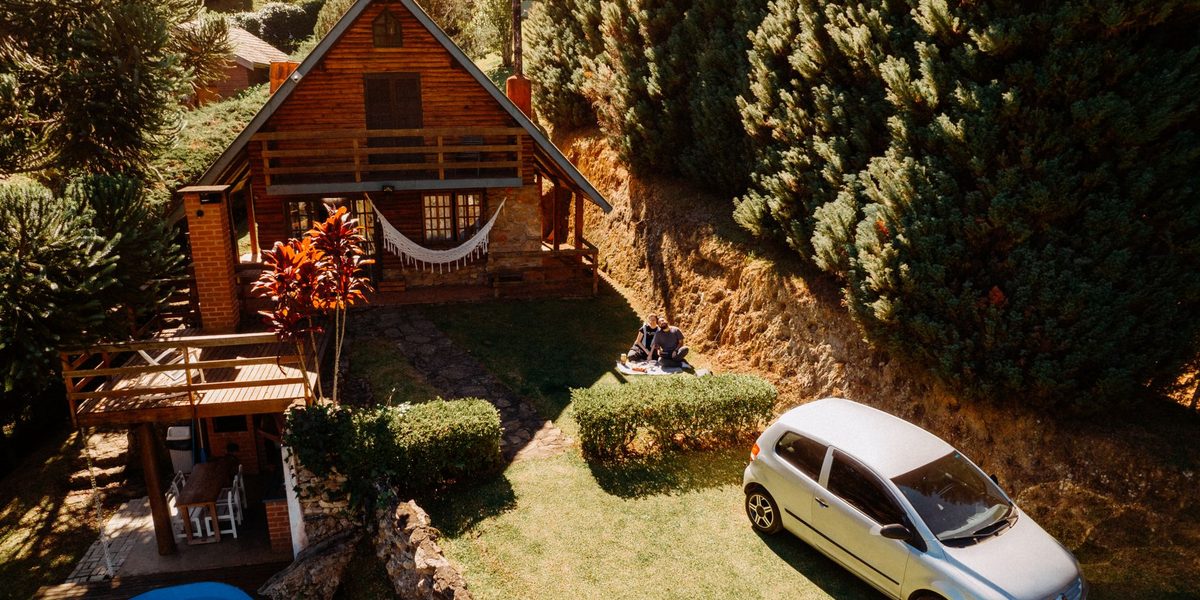
There is a particular kind of tired that only happens on vacation: the family that has seen four attractions by 2 p.m., eaten lunch standing up, and is now marching toward a fifth because it was on the list and the tickets were bought. The kids are melting, the adults are snapping, and everyone will need a week at home to recover from the week away. The instinct behind the overstuffed itinerary is loving, even honorable: the trip cost real money, the days are finite, and nobody wants to waste them. But families do not run on itinerary logic. They run on energy, and energy management, not attraction count, is what separates the vacations everyone remembers fondly from the ones everyone needed to recover from. The fix is planning downtime with the same seriousness you plan everything else.
The Overscheduling Trap Is a Math Error
Overscheduling happens because adults plan trips using adult arithmetic: hours available divided by attractions nearby. What that math leaves out is that every activity has an energy price on top of its ticket price, and children pay a higher rate. New places, new food, broken routines, late nights, and constant stimulation all draw from the same account, and when the account empties, it empties suddenly, usually in a gift shop.
The correction is to plan around capacity instead of opportunity. A useful rule: one big thing per day. A morning at the aquarium is a big thing. So is a long hike, a theme park, or a day trip to the next town. Plan one, let the rest of the day arrange itself loosely around it, and you will be startled how much better the big thing itself goes when it is not sandwiched between two others.
Downtime Is an Activity, Not an Absence
The mental shift that makes all of this work is treating rest as a real itinerary item rather than empty space where fun failed to be scheduled. Write it into the plan with the same standing as the boat tour: Tuesday afternoon is pool-and-porch time; Thursday has no alarm and no plan until noon. When downtime is named, nobody experiences it as wasted, and the family stops feeling that low-key hours need to be justified.
Here is the secret that decades of family trips keep proving: the downtime is disproportionately where the memories form. Ask kids what they loved about a trip and they will skip the famous landmark and cite the night everyone played cards, the slow morning of pancakes, the hour of cannonballs at the pool with Dad. Children convert unstructured time with relaxed parents directly into happiness. The itinerary items are the frame; the downtime is the picture.
Design Each Day With a Rhythm, Not a Checklist
A family day on vacation has a natural shape, and working with it beats fighting it. Mornings are the high-energy hours, which makes them right for the big thing: the hike, the park, the excursion. Early afternoon is the universal trough, when toddlers need naps, grandparents need chairs, and everyone needs shade; this is the rest window, and protecting it is the single strongest move in family trip design. Late afternoon brings a second wind that suits low-stakes fun like pools, playgrounds, and wandering. Evenings are for food and wind-down, not for a third scheduled event.
A day built on that rhythm feels effortless even when it is full. A day built against it, with the museum at nap hour and dinner at 8:30, feels grueling even when it is short. Same family, same destination, entirely different trip.
Use Anchor Days and Float Days
Zoom out from the day to the week and apply the same principle at scale. Divide the trip into anchor days and float days. Anchor days carry the trip's headline events, the things you would be sad to miss, booked and locked. Float days carry nothing but options: a list of small, flexible possibilities the family can choose from based on the morning's weather and mood, or ignore entirely.
A week works beautifully with three anchors and the rest float. The floats are not filler; they are the shock absorbers that keep one rained-out anchor or one rough night from derailing the entire structure. They are also where the trip gets personal. The best float days develop their own gravity: the town square with the fountain the kids claimed, the bakery that became a ritual by day three. You cannot schedule that. You can only leave room for it.
Downtime Looks Different at Every Age, So Layer It
One reason families skip rest is that no single version of it suits everyone, so it feels impossible to plan. The answer is layering: shared quiet time in the same space, with each person resting in their own mode. During the afternoon window that might mean:
- The toddler naps, the one non-negotiable layer everything else arranges itself around.
- The school-age kids have quiet-bin time: books, drawing, small toys that only appear during rest hour.
- The teenager gets genuinely unsupervised time, headphones on or off exploring the resort, which for a teen is the rest.
- The adults alternate, one holding the fort while the other reads, walks, or naps, trading tomorrow.
Layered rest respects that a teenager's recharge and a four-year-old's are opposites, and it removes the resentment that builds when one person's rest requires everyone else's boredom.
Defend the Empty Space When the Trip Pushes Back
Planning downtime is easy at home; defending it on the ground is the hard part, because vacation constantly generates reasons to cancel rest. The concierge mentions a can't-miss market. The cousins invite everyone to a second outing. The sunk-cost voice pipes up about making the most of things. Expect these pressures and decide the default in advance: the rest window stays unless the family, actually consulted, genuinely prefers to trade it.
Watch the early-warning gauges rather than the clock. Shortened tempers, a kid asking to go back to the room, the toddler's third inexplicable tantrum before noon, these are fuel lights, and the correct response to a fuel light is stopping, not accelerating. Parents who turn the day home an hour early at the first signs routinely save the evening, and with it, the next morning.
Handle the Guilt, Because It Will Come
Somewhere mid-trip, lying by a pool while a famous attraction goes unvisited, one parent will feel the guilt arrive: we came all this way. Meet it with the question that actually matters: what is this trip for? If the honest answer is rest, connection, and the kids remembering it warmly, then the pool afternoon is not the opposite of the trip's purpose; it is the purpose, executed. The landmark will survive without you, and there is real freedom in the sentence you are allowed to say out loud: we did not see everything, and it was a wonderful trip.
It helps to remember that returning home exhausted is not proof of a trip well spent. Coming home fond of each other is. Nobody frames a photo of the fourth museum; they frame the one from the porch.
Final Thoughts
Building downtime into a family vacation is not lowering the bar. It is aiming at the right target: a trip the family finishes with affection instead of depletion, one big thing per day instead of five medium ones, afternoons that respect naps and knees, and empty hours that quietly become the stories everyone tells later. Plan the rest as deliberately as the tickets, defend it when the itinerary pushes back, and let the guilt pass through. The empty half of the schedule was never empty. It was where the vacation actually lived.