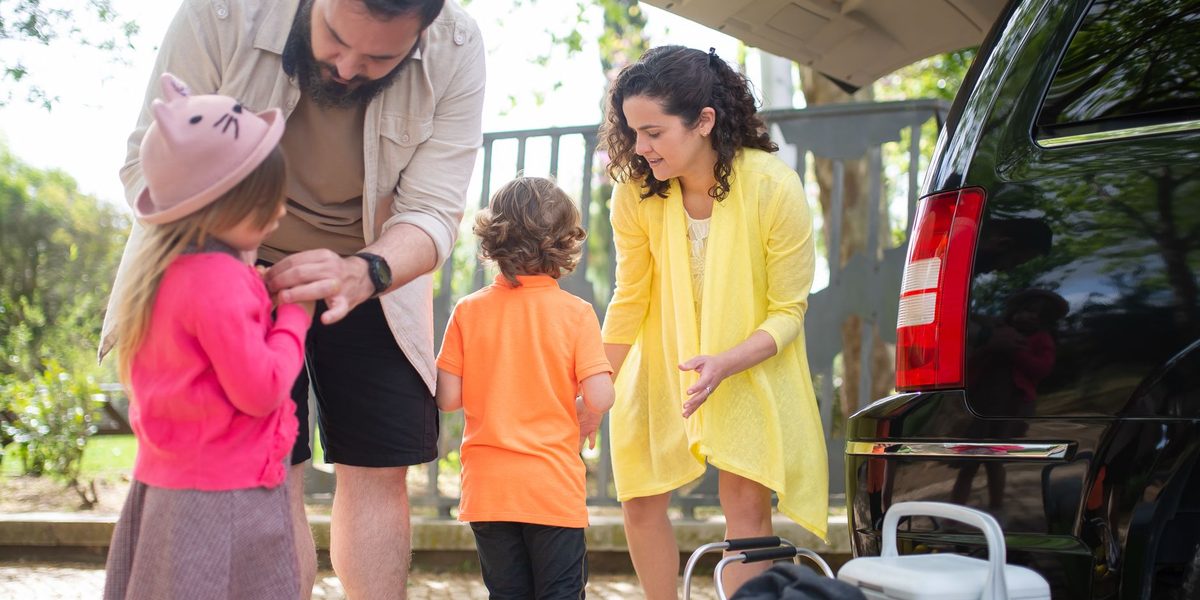
A family road trip is one of the last great equalizers in travel. Everyone is in the same rolling box, watching the same scenery, eating from the same snack bag, and there is no business class to escape to. That shared confinement is exactly what makes road trips memorable, and exactly what makes them go sideways when the planning is thin. The families who arrive happy are rarely the ones with the fanciest vehicle or the most gadgets. They are the ones who planned the day around human limits: how long a four-year-old can sit, how often a grandparent needs to stretch, how quickly a hungry teenager turns the mood. This guide walks through the decisions that matter most, from how far to drive each day to what the first hour at your destination should look like.
Right-Size Your Driving Days
The most important number in your whole plan is the length of each driving day, and most families set it too high. A route that looks like an easy six hours on the map becomes eight or nine with real-world stops, and those final hours are where patience dies. A useful rule of thumb: plan the hours you think the family can handle, then subtract one. With babies and toddlers, many parents find that four to five hours of actual driving is the comfortable ceiling for a day. School-age kids can stretch further, and teenagers can go furthest of all, provided they were consulted about the plan and fed on schedule.
If the total distance demands long days, consider reshaping the trip rather than gutting it out. An overnight stop halfway can convert a brutal push into two reasonable days, and a motel pool at the midpoint often becomes the kids' favorite part of the vacation. The destination matters less to young children than adults think; the getting-there is the trip to them.
Set a Stop Cadence and Honor It
Stops are not interruptions to the drive. They are part of the drive, and pretending otherwise is how families end up doing hostage negotiations at mile marker 212. Decide on a cadence before you leave, roughly every two hours with little kids and every two and a half to three with older ones, and treat it as a rhythm rather than a concession. When stops are scheduled, kids stop lobbying for them constantly, because they know one is always coming.
Make the stops count. Ten minutes of hard movement beats thirty minutes of wandering a gas station. Look for rest areas with grass, playgrounds a block off the highway, or any place a kid can run a few sprints and a grandparent can walk a slow loop. A quick stop checklist keeps things efficient:
- Everyone uses the bathroom, even the people who insist they don't need to.
- Kids do something physical: races, jumping jacks, a lap around the picnic shelter.
- Refill water bottles and rotate the snack bag to the next shift.
- One adult does a thirty-second trash sweep of the car so clutter never wins.
Think Hard About the Seating Chart
Where people sit shapes the entire emotional weather of the vehicle, and it deserves more thought than it usually gets. Separate the two kids who bicker most; the middle seat between them is the classic demilitarized zone, and a cooler or bag can serve as a border wall. Put the child who needs the most hands-on help within easy reach of a front-seat adult, or seat a helpful older sibling or grandparent beside them.
Then rotate. A seating change at each major stop resets dynamics and defuses the slow-building territorial disputes that flare around hour four. Letting kids occasionally claim the coveted spot, whatever that is in your car, gives you a cheap reward to hand out for good stretches. If a grandparent is along, remember that they may need the seat with the easiest entry and the most legroom, and that this is not up for debate with a nine-year-old.
Run the Snack Economy Deliberately
Food in the car is not really about hunger; it is about mood management and pacing. The difference between a snack free-for-all and a managed snack rhythm is the difference between kids who graze themselves queasy by ten in the morning and kids who have something to look forward to each hour. Keep the snacks in an adult-controlled bag and release them in acts: something crunchy mid-morning, real lunch food at the proper hour, something novel in the dead zone of mid-afternoon.
Favor foods that are low-mess, low-sugar, and slow to eat. Water beats juice for both spills and sugar crashes, and spill-proof bottles are worth their weight. And pack more than you think you need, because the surest way to summon a traffic delay is to run out of pretzels an hour from dinner.
Plan the Boring Middle
Every long drive has a dead zone, usually after lunch, when the novelty is gone and the destination is still far. Expect it and plan for it rather than being ambushed. This is the stretch for the special reserves: the new audiobook the whole car can follow, the surprise activity you kept hidden, quiet time with headphones, or a nap window where the music goes soft and the conversation drops. Entertainment deserves its own deep planning, but at the route level, the key move is simply knowing the dead zone is coming and scheduling your best material and your longest stop on either side of it.
Build In a Buffer Day of Grace
Schedule slack into the overall trip, not just the driving day. If you must arrive by a fixed date, leave a half-day cushion for weather, construction, a car issue, or the toddler who simply cannot do another hour. When the cushion goes unused, you get a bonus relaxed morning. When it gets used, it saves the trip. Families who plan zero slack end up making frightening math on dark highways, and no vacation is improved by a driver doing hour eleven on willpower.
The same grace applies to the plan itself. If a roadside attraction is delighting everyone, stay the extra hour and shorten something later. The itinerary works for the family, not the other way around.
Stick the Landing on Arrival Day
How the drive ends colors how everyone remembers it, so plan the first hour at your destination before you leave home. Know where you will eat that first meal, because a hungry family unloading a car is a volatile compound. Keep a day-one bag packed so pajamas, toothbrushes, and chargers surface without excavating the trunk. Let the kids do something physical immediately, whether that is the hotel pool, the backyard of the rental, or a walk around the block, while one adult handles the unload.
And resist the urge to schedule anything ambitious for arrival night. The win is dinner, showers, and beds. The vacation proper can start tomorrow, with everyone rested and the car finally silent.
Final Thoughts
A great family road trip is not the one with no whining; that trip does not exist. It is the one where the plan absorbed the whining and kept rolling. Drive shorter days than you think you can, stop on a rhythm, manage the seats and the snacks like the strategic assets they are, and land softly at the end. Do that, and somewhere between the license plates and the last shared bag of pretzels, the drive stops being the price of the vacation and becomes part of it.