Somewhere along the way, children's birthday parties quietly professionalized. Rented venues, hired entertainers, catered food, themed decorations shipped in boxes, and party bags that cost more than the gifts — what used to be cake and games in the backyard now routinely runs into serious money, multiplied by every child in the family, every single year. Here's the liberating secret buried under all that spending: ask any adult about their favorite childhood birthday and they'll describe a feeling, not a budget. Kids remember being celebrated, not what it cost. Which means the parents who spend less aren't shortchanging anyone — they've just noticed what the party is actually for.
Decide the Number Before the Theme
Most party budgets die in the wrong order: the child picks a theme, the parent starts buying, and the total reveals itself later as an unpleasant surprise. Reverse it. Decide what this party costs before anything else — a number that fits your family's finances without borrowing from anything that matters — and then design the best possible party inside it.
Constraints, it turns out, are creative fuel. A fixed number forces the good questions: what does the birthday child actually care about most? Where does the money visibly matter, and where is it just habit? Families who budget first consistently report not only cheaper parties but better ones, because every dollar got aimed at something the child genuinely wanted instead of sprayed across a checklist.
Shrink the Guest List, Grow the Fun
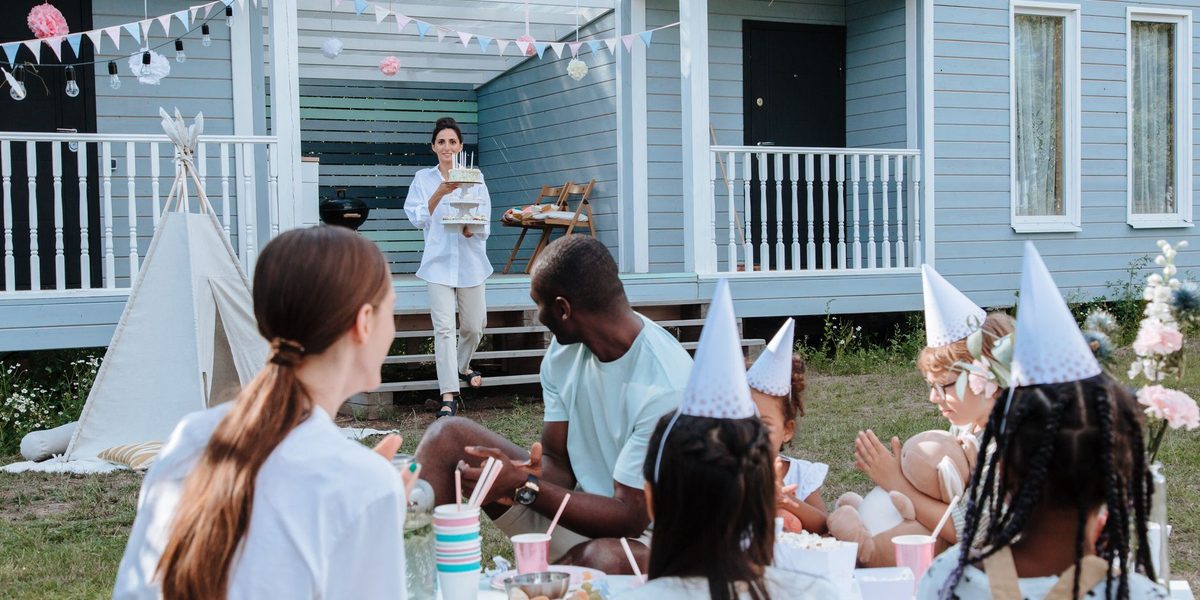
Nothing drives party costs like headcount — every guest multiplies the food, the favors, the seats, and the chaos. And here's what the whole-class invitation culture obscures: most children have more fun with a handful of real friends than with twenty-five acquaintances and their hovering parents. A useful old rule of thumb is age-plus-one guests for younger kids — a five-year-old with six close friends has a full, manageable, gloriously fun party.
Smaller lists don't just cost less; they change what's possible. Six kids can do the craft, play the game properly, fit around the table, and each get real attention from the birthday child. If the school has expectations about inclusive invitations, a separate simple gesture for the class — a treat, a card — costs a fraction of hosting everyone.
Choose Themes That Cost Imagination, Not Money
Licensed-character themes are a spending trap: every branded plate and banner carries a markup, and the theme evaporates from memory by dinner. Generic themes deliver the same delight at a fraction of the cost — and usually photograph better.
- A pirate party needs bandanas, a hand-drawn treasure map, and a backyard hunt for a box of chocolate coins.
- A science party needs a grown-up in a white shirt, kitchen-cupboard experiments, and dramatic reactions.
- A camping party needs blanket tents in the living room, flashlight games, and s'mores.
- An art party needs a plastic tablecloth, cheap canvases, and permission to get messy.
Involve the birthday child in building the theme — making decorations the week before is itself an activity kids adore, and the anticipation is half the gift. Dollar-store basics, balloons, and one afternoon of family crafting reliably outperform the shipped-in kit.
Feed Kids Like Kids, Not Like Wedding Guests
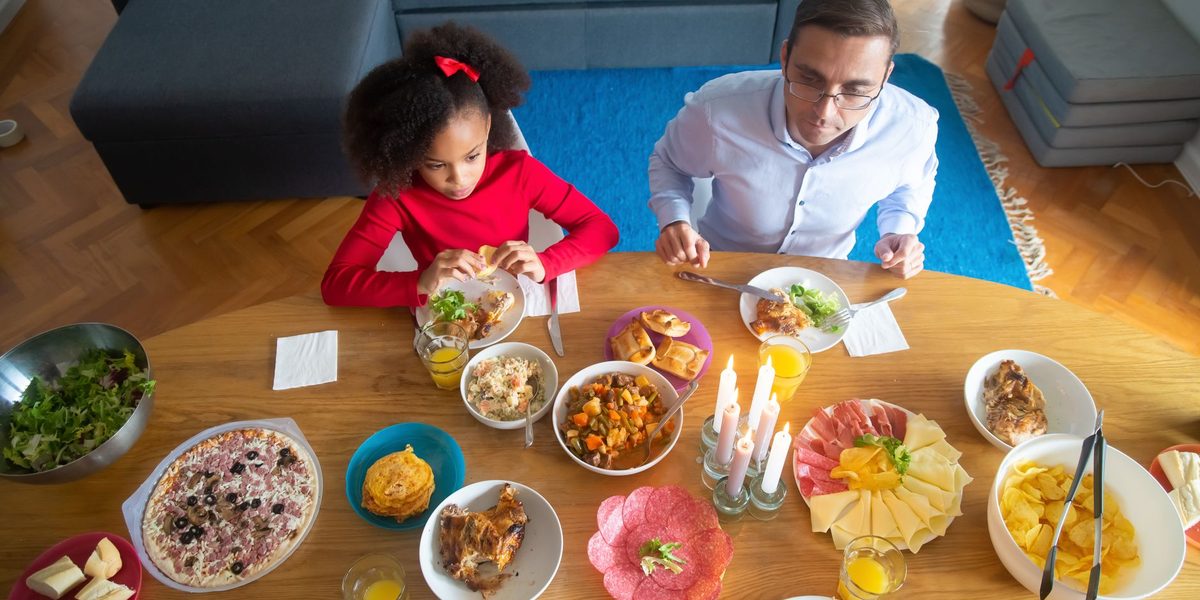
Party food is where budgets quietly bleed, and it's the easiest fix of all, because children under ten fundamentally do not care about catering. They want something familiar, something sweet, and to get back to playing. Time the party between meals — mid-morning or mid-afternoon — and you owe nobody lunch: snacks, fruit, something crunchy, and cake cover it completely.
The cake itself is the emotional centerpiece, and homemade wins on every axis that matters. A box-mix cake decorated with the birthday child — candy for eyes, a lopsided theme, their name in wobbly icing — costs a fraction of the bakery version and becomes part of the memory rather than just part of the bill. Perfection is not the assignment; being celebrated is.
Rethink the Party Bag Arms Race
The going-home bag of plastic trinkets is a strange modern ritual: parents spend real money on items that break by bedtime and annoy the receiving household. Opting out entirely is acceptable — plenty of families have — but if you want kids to leave with something, make it one thing instead of a bag of things.
The best send-home items are ones the party itself produced: the craft they made, the decorated cookie, a small prize from the treasure hunt, a photo from the party if you can print quickly. These cost little, mean more, and quietly signal to other parents that the arms race is optional — a gift to every family in the class.
Spend the Budget on the Memory, Not the Materials
If you're going to concentrate money anywhere, aim it at the thing the child will retell. For one kid that's a particular activity — a movie night with sleeping bags, a day at the pool with two best friends. For another it's an experience standing in for a party altogether: some children would happily trade the whole event for a special outing with one friend and fewer crowds.
Ask the birthday child what they're most excited about, and listen past the first answer — kids often name a theme when what they mean is a feeling. The child who wants a superhero party may really want a backyard obstacle course and a cape; the cape costs almost nothing. Matching the money to the actual wish is the entire art of budget celebrating.
Keep Perspective When the Comparison Creeps In
Eventually your child will attend a party with a rented bouncy castle and a professional entertainer, and someone in your house — possibly you — will feel a pang. Let the pang pass without reaching for the credit card. Party spending among families is not a measure of love, and children genuinely don't rank their friends' parents by production values; they remember whether the party was fun and whether they felt wanted there.
If your child asks why their party is smaller, answer honestly and lightly: every family celebrates differently, and ours puts the money where the fun is. Kids accept this readily when it's delivered without apology — and the lesson underneath, that celebrations are about people rather than price tags, is one they'll use for the rest of their lives.
It helps to plan the year, not just the party. If your family has several children, set a per-birthday amount that works when multiplied by all of them, and consider a small sinking fund that collects a little each month so no single birthday ever collides with a tight week. Celebration money that's already set aside gets spent joyfully; celebration money scraped together at the last minute gets spent resentfully, and kids can tell the difference.
Final Thoughts
A birthday party's job is simple: make a child feel spectacularly celebrated by the people who matter to them. Everything else — the venue, the branded plates, the goody-bag inflation — is packaging, and packaging is optional. Set the budget first, keep the guest list human-sized, build the theme with imagination and a glue gun, feed them simply, and aim whatever money you have at the moment your child actually cares about. Do that, and the yearly celebration stops being a financial dread and becomes what it was always meant to be: the day the whole family remembers why it's so glad this particular person was born.