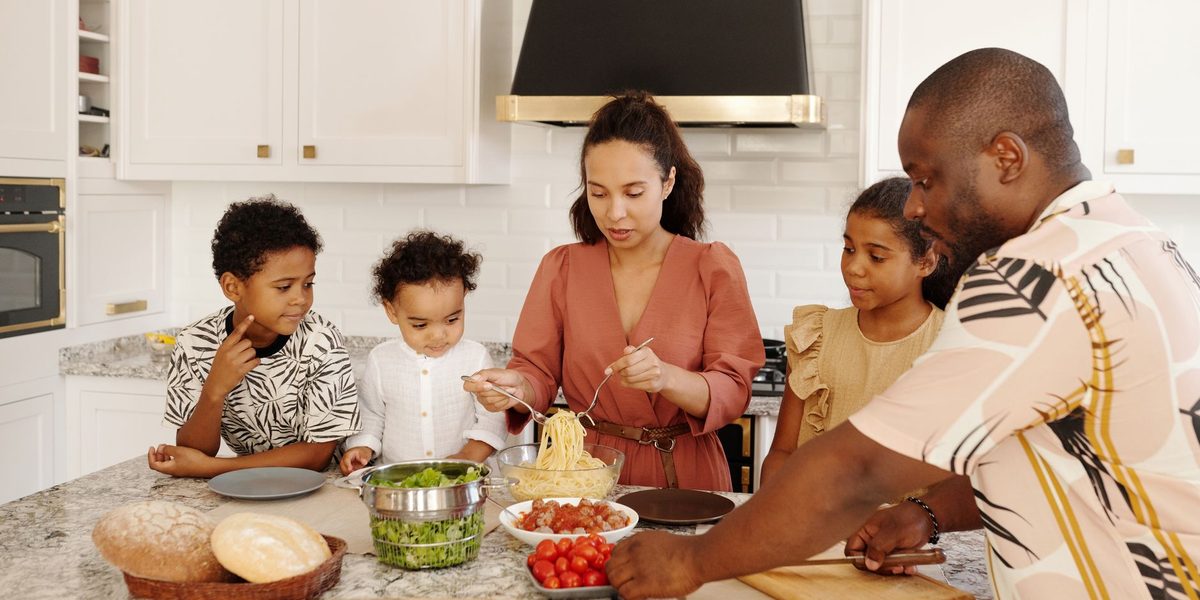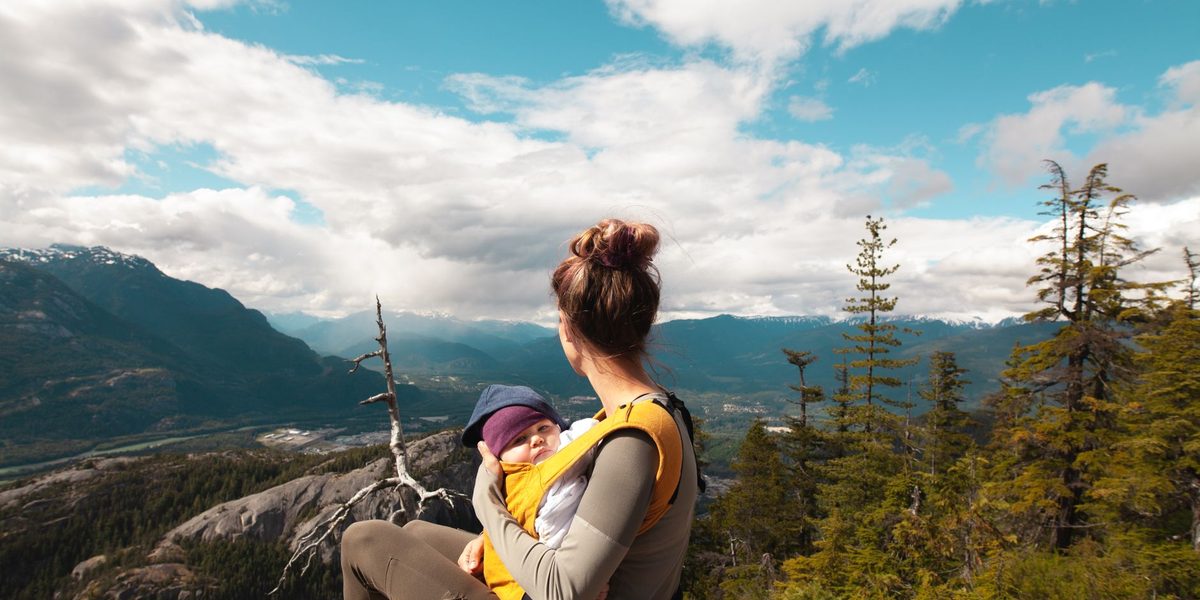
Every family has a packing story they tell for years: the trip with six swimsuits and no toothbrushes, the toddler who arrived at the beach with a bag full of dinosaurs and one sock, the trunk that would not close. Packing for a family is genuinely harder than packing for yourself, because it is not one packing job, it is four or five interlocking ones, done under time pressure, for people whose needs you are guessing at. The solution is not packing less through willpower or packing more just in case. It is replacing the annual scramble with a system: lists that persist from trip to trip, bags organized so things can be found by tired people in dim rooms, and a division of labor that teaches kids to pack for themselves. Build the system once and every future trip inherits it.
Build a Master List You Never Throw Away
The single highest-return packing habit is embarrassingly simple: keep one master packing list for the family, saved somewhere permanent, and never start from a blank page again. The list holds everything any family trip might need, grouped by person and by category, and each trip you simply cross off what does not apply. Cold-weather gear stays on the list even in July; you skip it, but you never forget it exists in October.
The list improves with use if you do one thing: edit it within a day of coming home, while the lessons are fresh. Add the thing you wished you had. Strike the thing nobody touched for the third trip running. Two minutes of editing per trip and, within a couple of years, the list is smarter about your family than you are on a rushed Thursday night.
Pack by Person, Find by Person
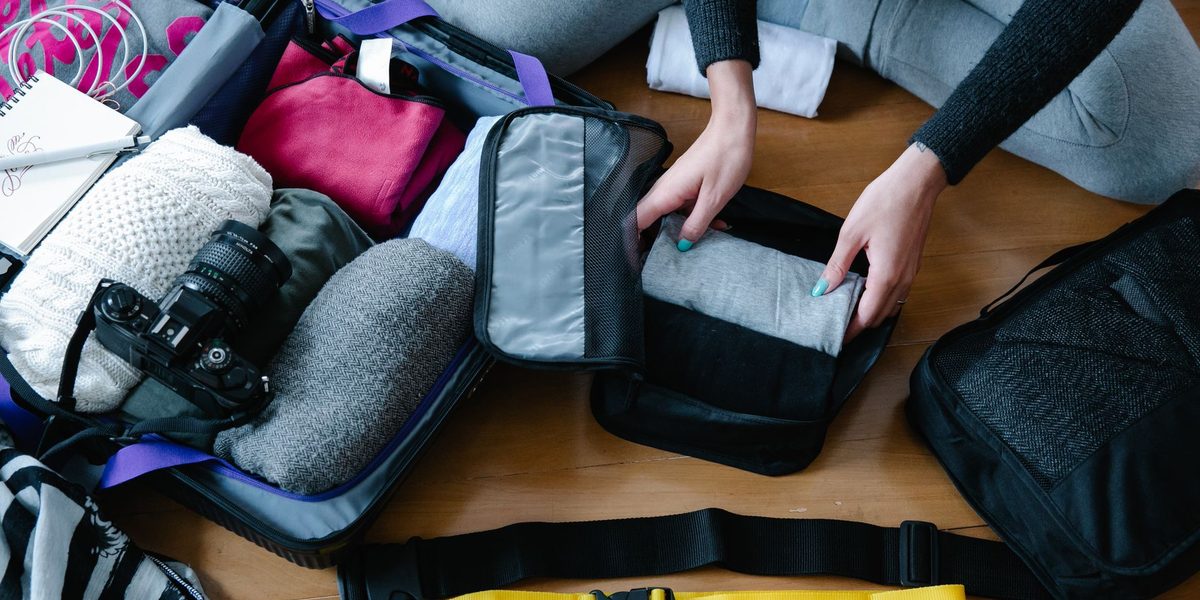
The deep organizing principle of family packing is that everything should be findable by ownership. When all the shirts live in one bag and all the pants in another, every morning becomes a group excavation. Instead, give each person their own clearly bounded space, whether that is their own small suitcase or, better for car trips and shared luggage, a set of packing cubes in a signature color per person. When the seven-year-old needs pajamas, anyone in the family can find them in ten seconds: her color, the cube with sleepwear.
Cubes earn their keep twice more during the trip. At the destination, cubes lift straight into drawers or sit open on a luggage rack like portable shelves, so unpacking takes minutes. And at the end, a designated dirty-laundry cube or bag per person means repacking is sorting-free and the suitcase arrives home ready to meet the washing machine in an organized way.
Let Kids Pack Themselves, With Veto Power
Children should start packing their own bags years before they are good at it, because the only path to a teenager who can pack is a seven-year-old who packed badly with supervision. The workable arrangement is kid packs, parent audits. Give the child a short picture list or written list appropriate to their age, let them gather and pack everything themselves, and then do a cheerful sixty-second review together before the bag zips shut.
The audit catches the missing underwear and the ambitious plan to bring eleven stuffed animals, but do the veto with a light touch. Within reason, let them carry a questionable choice or two; the child who insisted on the heavy toy and then had to lug it learns a portage lesson no lecture delivers. A few age-appropriate guidelines:
- Preschoolers gather items from a picture list and put them in the bag themselves, even if you quietly refold everything later.
- Early elementary kids pack from a written list and present the open bag for review.
- Tweens pack solo against the master list, with a parent asking three spot-check questions instead of inspecting.
- Teens own the whole job and also own the consequences, which is the point.
Pack the Day-One Bag Like It Is Sacred
Whatever else happens in the luggage, one bag should be packed with total discipline: the day-one bag. This is the bag that gets the family through the first eighteen hours without opening anything else, and it earns its keep on every trip where you arrive late, where the room is not ready, or where a checked bag wanders off on its own vacation. Into it go pajamas for each kid, one full change of clothes per person, toothbrushes, essential medications, chargers, and whatever comfort object makes bedtime possible for the youngest.
On arrival night, only this bag comes inside or gets opened. Everyone sleeps, and the great unpacking happens in daylight with rested people. Families who adopt the day-one bag describe the same feeling: arrival night stops being the worst part of the trip.
Right-Size the Just-in-Case Pile
Overpacking is not a character flaw; it is anxiety wearing a luggage tag. The just-in-case pile grows because every item answers a real fear: what if it rains, what if someone gets sick, what if the baby ruins three outfits in a day. The fix is not pretending those things will not happen. It is asking one question of every contingency item: if this scenario happens, could we solve it there in under an hour? Nearly everywhere families travel has stores. The forgotten umbrella, the extra sunscreen, the fourth pair of shorts are all an errand, not a crisis, and an errand you probably will not need to run.
Keep the true exceptions on the always-pack side of the line: prescription medicines, the specific comfort object with no substitute, glasses and their backup, and anything that would end the trip if missing. Those are not just-in-case items. Everything else competes for space against the certainty that someone will have to carry it.
Stage the Load-Out the Night Before
The final packing failure mode has nothing to do with what is in the bags: it is the departure-morning scramble, where the family leaves an hour late, frazzled, with the toothbrushes still in the bathroom because they were in use. Beat it by staging. The night before departure, every bag that can be finished gets finished and physically moved to a staging zone by the door or into the trunk itself. Each person gets a small morning-of pouch for the toothbrush-and-chargers category, and those pouches are the only packing permitted after breakfast.
Then run the doorway count: bags counted against a known number, one adult calling it like a flight crew. Five bags, four backpacks, one cooler. The count takes fifteen seconds, and it is the only reliable defense against the special heartbreak of the one bag left in the hallway.
Repack for Home Like You Mean It
The trip home deserves ten percent of the planning the trip out gets, and almost never receives it. Do three things. Keep out a going-home outfit and the same day-one essentials, because the last travel day is as long as the first. Corral the dirty laundry by person so home unpacking is fast; a family that unpacks within a day of returning re-enters normal life noticeably more smoothly than one stepping over suitcases all week. And do the final sweep of the lodging with a system, one adult checking outlets for chargers, under beds for socks and small toys, and the bathroom for the toiletry bag, the three places where families reliably leave pieces of themselves behind.
Final Thoughts
Packing well for a family is not about achieving some minimalist ideal or fitting a week into a carry-on to prove a point. It is about making the trip's beginnings and endings calm: a staging zone instead of a scramble, a day-one bag instead of a midnight suitcase dig, cubes instead of chaos, and kids who grow a little more capable with every trip. Build the master list, run the system, and edit it when you get home. The suitcases will never pack themselves, but with a system, they come surprisingly close.