Where you stay shapes a family trip more than almost any other decision. The right lodging turns ordinary evenings into the best part of the vacation; the wrong one turns every bedtime into a negotiation and every morning into a whispered standoff. Yet most families choose a place the way they would for a business trip, by photos and location, without asking the questions that actually determine whether a multigenerational group will be comfortable. Before you fall in love with a listing, walk through how your particular family sleeps, eats, wakes, and unwinds. The best lodging is not the fanciest one. It is the one shaped like your family.
Start with How Everyone Sleeps
Sleep is the foundation of a good trip, so count beds before you count anything else, and count them skeptically. A listing that sleeps eight may mean two real bedrooms plus a sofa bed and an air mattress, which is a very different trip than four proper bedrooms. Think about who genuinely can share: siblings who bunk happily at home will usually bunk happily away, but a toddler who has never shared a room with parents may treat it as an invitation to a midnight party.
Map your actual sleepers onto the actual spaces. A baby needs a spot for a travel crib that is not a hallway. A light-sleeping grandparent needs a real door between them and the early cartoon crowd. Teenagers need somewhere that is not the living room couch, or they will be displaced and grumpy the moment anyone else wants the room. If the sleeping map does not work on paper, it will not work at midnight, no matter how beautiful the view is.
Decide How Much Kitchen You Really Need
A kitchen is the quiet hero of family lodging, but be honest about how you will use it. For families with babies and toddlers, even a modest kitchenette earns its keep: somewhere to warm milk, rinse bottles, and keep yogurt and fruit for the inevitable early-morning hunger. For bigger groups, a full kitchen means relaxed breakfasts in pajamas and one or two home-cooked dinners that give everyone a break from restaurants, which small children tend to tolerate in short supply.
On the other hand, if the adults in your group see cooking as a chore rather than a pleasure, a big kitchen becomes a guilt machine, and someone, usually the same someone, ends up doing dishes on vacation. In that case a smaller space near good casual restaurants may serve you better. The question is not whether a kitchen is nice to have. It is whether your family will actually use it, and who will be standing at the sink.
Give Early Risers and Night Owls Separate Territory
Every family contains both a grandparent who greets the sunrise and a teenager who considers morning a rumor. Multigenerational lodging works when these two species can coexist without waking each other. Look for a layout with at least two distinct living zones: a main gathering room and somewhere else, a den, a finished basement, a porch, an eat-in kitchen, where the early shift can drink coffee and the toddlers can play at dawn without broadcasting into the bedrooms.
Pay attention to where bedrooms sit relative to the noisy rooms. A bedroom that shares a wall with the kitchen or opens directly onto the living room will absorb every clink and conversation. Split-level houses, homes with bedrooms on separate ends, and suites down their own hallway all buy precious acoustic distance. One shared room where everyone must whisper from six in the morning until ten at night is the fastest way to make a loving family tired of each other.
Plan Around Grandparents' Bodies, Not Their Pride
Grandparents will rarely tell you a place will not work for them; they will simply endure it, and the trip will be harder than it needed to be. So ask the questions they will not raise. Are there stairs, and how many? A charming third-floor walk-up or a loft bedroom reached by a ladder-steep staircase can turn every trip to the car into an ordeal for someone with tired knees.
- Ground-floor bedroom and bathroom for anyone with mobility or balance concerns, so daily life does not depend on stairs.
- Walk-in shower rather than a high-sided tub, which is genuinely difficult and slippery for older adults.
- Comfortable chairs with arms, because a house furnished only with low couches and floor cushions is hard to get out of gracefully.
- Short, level path from parking to the door, especially if luggage, groceries, and grandchildren all need carrying.
None of these things show up in glamour photos, so read the listing details closely and ask the host directly. A place that quietly suits the oldest travelers usually suits everyone else too.
Weigh the Pool Against Everything Else
For kids, a pool can be the entire vacation. It is built-in entertainment for the hours between activities, a bargaining chip for good behavior, and the thing they will describe first when someone asks about the trip. If your children are water-lovers, a pool or a beach within walking distance can matter more than any other amenity, and it takes pressure off the adults to program every hour.
But weigh it honestly. A pool means constant supervision for little ones, and a backyard pool with no fence changes how relaxed the adults can be, particularly with toddlers who move fast and fear nothing. Consider the season too: a pool you cannot swim in is just a view. If the group includes grandparents, a pool also serves them well as a place to sit, dangle feet, and watch grandchildren perform the same jump forty times. Just make sure the pool is a bonus on top of a workable house, not the feature that talks you into an otherwise wrong one. A dazzling pool attached to a place with too few bedrooms will be forgotten by day two, while the wrong sleeping arrangements will be felt every single night.
Connecting Rooms or a Rental House: Match the Format to the Family
The classic dilemma for bigger families is connecting hotel rooms versus a rented house, and neither is universally better. Hotels offer daily housekeeping, breakfast someone else cooks, staff on call, and the ease of walking away at checkout. Connecting rooms give parents a door between themselves and sleeping children, which is a luxury one single room never offers. For short stays, city trips, and families who want zero chores, hotels are hard to beat.
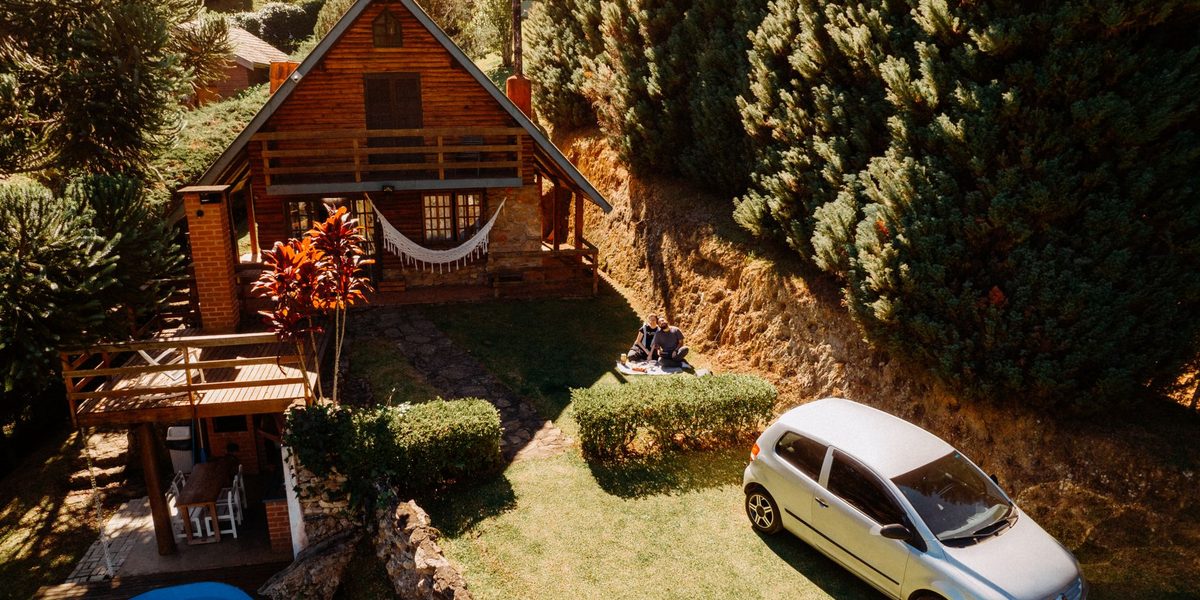
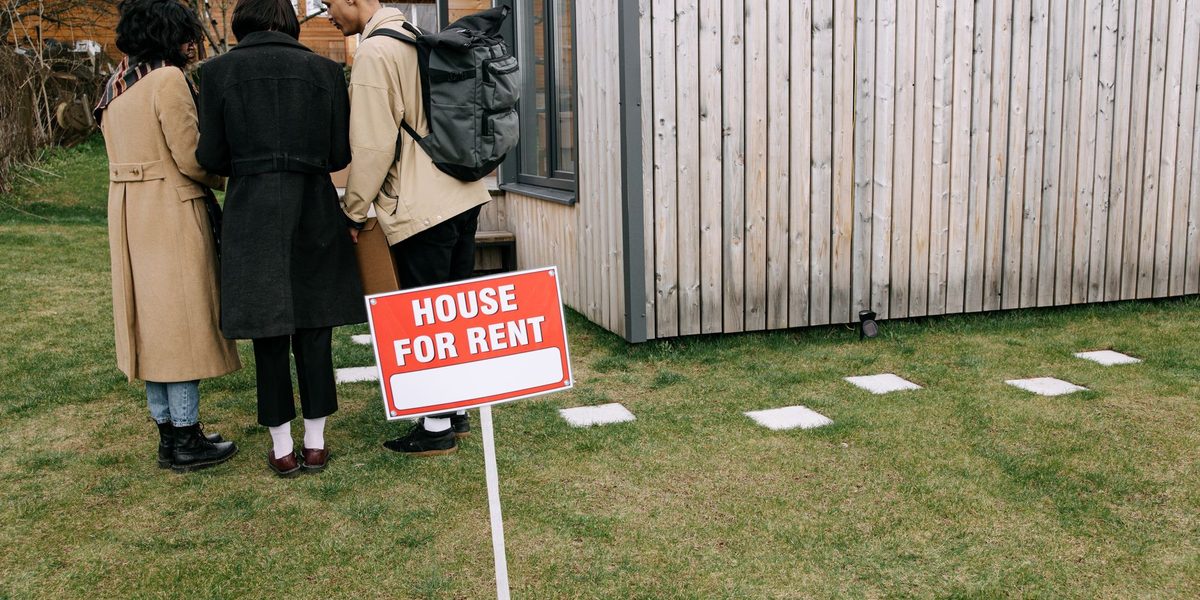
A rental house wins on space, kitchens, laundry, and togetherness: one table big enough for everyone, a yard for kids to burn energy, and no worries about hallway noise. It suits longer stays and larger groups, especially when grandparents join and everyone needs a private corner. The trade is that a house comes with small responsibilities, cooking, tidying, taking out trash, and no front desk when something breaks. Some families split the difference with a suite-style hotel or a cluster of neighboring cabins: separate doors, shared porch, the togetherness without the friction.
Final Thoughts
Choosing family lodging is really an act of imagination: picturing your specific people, the dawn riser, the napper, the teenager, the grandmother with the careful knees, moving through a space for a week. Count the real beds, be honest about the kitchen, protect quiet sleepers from early risers, plan for the oldest bodies in the group, and pick the format that matches how your family actually likes to live. Do that, and the place you stay stops being a container for the vacation and becomes one of its pleasures.