Somewhere between the family reunion and the parents' anniversary getaway sits one of the most rewarding trips a family can take: the skip-generation trip, where grandparents and grandchildren travel together and the middle generation stays home. Done well, it builds the kind of grandparent-grandchild bond that a Sunday dinner never quite reaches, gives parents a genuine break, and hands the kids stories they will still be telling as adults. Done casually, it can overwhelm the grandparents, unsettle the kids, and generate a week of anxious phone calls in three directions. The difference is almost entirely in the planning, and the planning is different from any other family trip, because the adults in charge and the children in tow are separated by two generations of energy, habits, and bedtimes. Here is how to set a skip-gen trip up to succeed.
Start Smaller Than Anyone Wants To
The imagination leaps to the big version: two weeks, a national park, maybe a passport. Resist it, at least the first time. The right first skip-gen trip is short and close, two or three nights within an easy drive of home, because the first trip is not really a vacation. It is a test flight, discovering how a seven-year-old sleeps in a strange bed without her parents, how a grandparent's stamina holds up through a full kid-day, and how the whole arrangement feels when nobody can hand the child back at dinnertime.
A modest first trip that goes well earns the bigger one, and the kids will not grade it on ambition. To a grandchild, three nights in a cabin with a grandparent's undivided attention already is the big version. Scale up the distance and duration year by year as the partnership proves itself, and the trips can grow with the children.
Match the Trip to the Grandparents' Real Pace
The quiet failure mode of skip-gen travel is grandparents planning the trip their forty-year-old selves could have led. Full honesty about energy, mobility, hearing, and driving comfort is not pessimism; it is design data. A grandparent who tires by mid-afternoon should plan a trip where afternoons are porch time, not the second half of a theme park day. One who no longer loves night driving should pick lodging where dinner is a walk away.
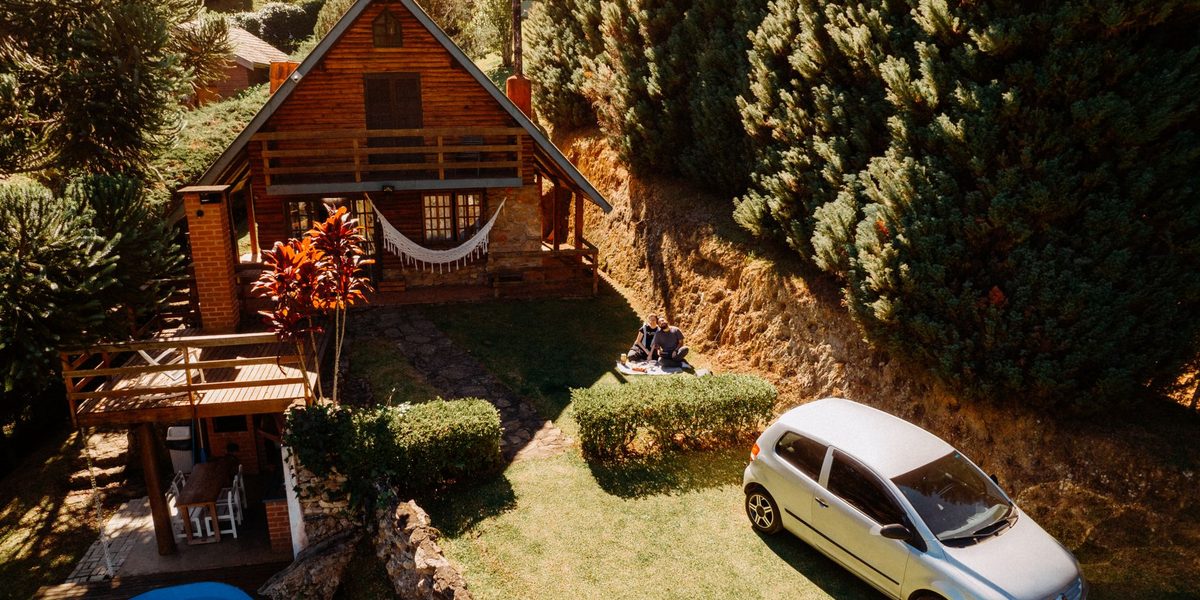
The good news is that the best skip-gen destinations reward a gentler pace anyway. Look for places with a compact footprint and built-in entertainment: a lake town with a beach and a main street, a cabin with fishing off the dock, a small city with a zoo and good benches, a resort where the pool does the heavy lifting. The test for any candidate: can a great day happen here within half a mile, with sitting available every two hundred feet? Children do not need mileage. They need water, ice cream, a bit of wildlife, and an adult who is not in a hurry, which is the one resource grandparents hold in surplus.
Hold the Three-Generation Planning Meeting
Even though the parents stay home, they belong in the planning, because a skip-gen trip runs on a triangle of trust: grandparents confident in their authority, parents comfortable with the arrangements, kids clear on the rules. Get all three corners aligned before departure with one honest conversation covering the unglamorous essentials. Where exactly will everyone sleep? What is the daily plan, roughly? What are the food rules, the screen rules, the bedtime, and, crucially, which of the parents' home rules are the grandparents licensed to bend?
That last item deserves its own minute, because grandparent indulgence is a feature of these trips, not a bug, as long as its edges are agreed on. Ice cream twice in one day is the sort of thing skip-gen trips are for; abandoning a needed medication schedule is not. Parents who spell out the handful of true non-negotiables, and then genuinely release everything else, give the grandparents room to be grandparents, which is the entire point of the trip.
Get the Paperwork and Practicalities Boring
Traveling with children who are not your own, even your own grandchildren, goes smoother when the practical details are settled in advance and in writing. None of it is complicated; all of it is easier to arrange from a kitchen table than from a walk-in clinic three hundred miles away. Before the trip, gather:
- A signed note from the parents authorizing the grandparents to seek medical care for the child, along with insurance details.
- A written list of medications, dosages, allergies, and the pediatrician's contact information.
- Copies of key documents appropriate to the trip, and any identification the mode of travel requires.
- The child's comfort essentials in writing too: the bedtime routine, the words they use when they need the bathroom or feel overwhelmed, the name of the indispensable stuffed animal.
That last list matters more than it looks. A grandparent who knows the exact three-step tuck-in ritual holds the master key to the whole trip, because a child who sleeps well travels well.
Plan the Days in Halves, and Feed Everyone Early
The daily architecture that suits both a seven-year-old and a seventy-year-old is the half-day plan: one real outing in the morning when both generations are at their best, then an afternoon that runs soft, naps or quiet play, the pool, a card game, a movie on the couch. Evenings stay simple: early dinner, a small ritual like a walk for ice cream or feeding the ducks, then the full bedtime production done unhurried.
Eating early is a genuine tactical advantage, and skip-gen trips should lean into it without apology: restaurants are empty, kitchens are fresh, kids are at their most civilized, and everyone is home before the meltdown hour. Build in more food stops than seem necessary, because hungry children decline faster than grandparents expect, and a granola bar administered fifteen minutes early prevents the scene it would otherwise merely interrupt.
Handle Homesickness Without Panic
Somewhere around the second night, many kids on a first skip-gen trip hit a wobble: quieter at dinner, teary at bedtime, asking when they will see Mom. This is normal, temporary, and manageable, and the worst response is treating it as an emergency. Keep the child busy through the vulnerable evening hour, keep the bedtime routine identical every night, and let them hear a parent's voice on a schedule rather than on demand, one planned call in the early evening, not a hotline at every quiver, because unlimited calls tend to reopen the wound rather than close it.
Grandparents should agree with parents in advance on what would actually trigger an early trip home, so the decision, if it ever comes, is calm rather than negotiated at 9 p.m. with a crying child as the soundtrack. In practice, the wobble almost always passes by morning, and the child who cried on Tuesday is the one begging to stay longer on Friday.
Final Thoughts
A skip-gen trip is a small logistical project wrapped around an enormous gift: unhurried days in which a grandparent and a grandchild get to know each other as people, without the middle generation translating. Start small, plan at the grandparents' true pace, align all three generations before departure, put the paperwork and the tuck-in ritual in writing, and structure days in gentle halves. The photos will show ice cream and fishing rods. What the trip actually built is harder to photograph: a child who knows their grandparents as companions rather than visitors, and grandparents holding stories that belong to just the two of them. That is worth planning carefully for, and worth starting this year rather than someday.