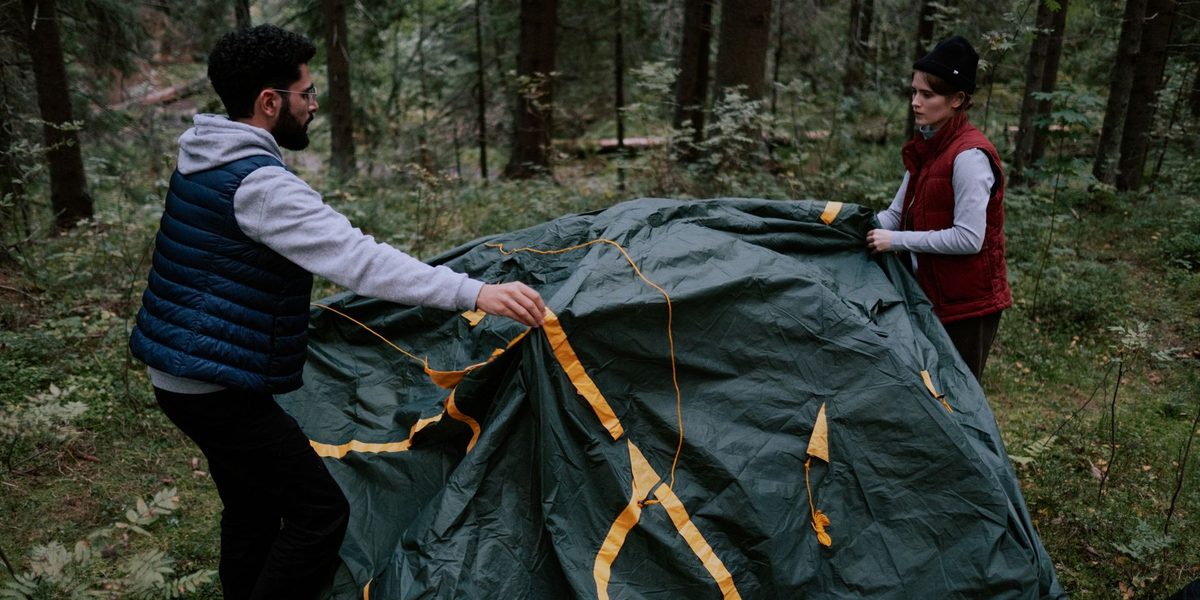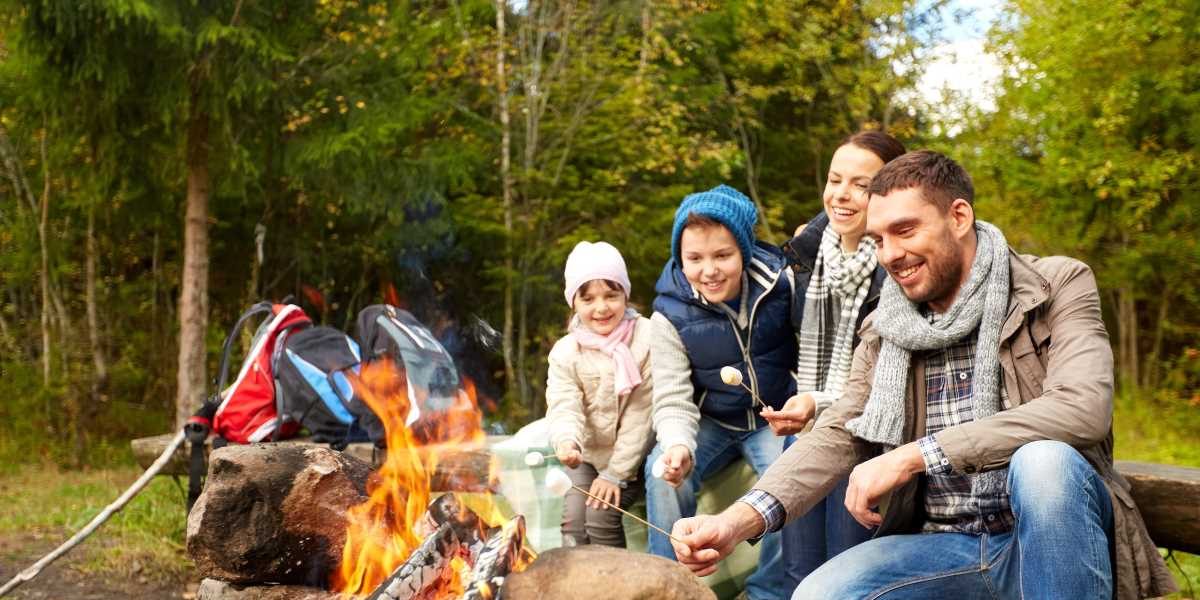
There is a version of the family vacation in which parents do all the planning, present the finished trip like a covered dish, and then spend the week baffled that the children receive it with complaints. And there is another version, in which the kids helped choose the destination, argued happily over the activity list, and arrive at the trailhead as co-conspirators rather than cargo. The trips are often identical on paper. They feel entirely different on the ground, because human beings of every size defend what they helped build. Bringing kids into vacation planning is not a cute extra or a rainy-day craft; it is one of the most effective behavior and mood interventions available to a traveling family, and it costs nothing but a little control. Here is why it works and how to do it at every age without handing a nine-year-old the credit card.
Ownership Is the Real Product
The psychology is simple and sturdy. A child handed a finished plan has one role available: critic. A child who helped make the plan has a stake in its success, and stakeholders behave differently. They tolerate the long drive because they voted for the destination at the end of it. They try the strange restaurant because it was their pick. They talk the younger sibling through the museum because the museum was their contribution and its success is personal.
Planning participation also front-loads the vacation's value. Anticipation is a real portion of any trip's happiness, and children who spend three weeks researching, imagining, and arguing about a place have already extracted weeks of pleasure before the suitcase opens. Parents who plan in secret to preserve a surprise are, most of the time, spending that entire dividend to buy one morning's reveal.
Give Real Choices Inside Real Boundaries
The failure mode to avoid is the fake consultation, asking the kids what they want, ignoring it, and teaching them the exercise is theater. The opposite failure is the open floor, where a seven-year-old proposes another continent and a parent has to be the villain who says no. The craft is in the boundaries: parents set the frame, budget, dates, distance, and the kids get genuine power inside it.
The cleanest tool is the curated ballot. Parents select two or three destinations that all work, all affordable, all feasible, all acceptable, and the kids research and vote, with the vote actually binding. The same structure scales down beautifully during the trip: two options for the free morning, both fine with you, chosen by the children. Every choice is real, every option is safe, and nobody has to play the vetoing villain, because the villainous work happened invisibly in the curation.
Match the Job to the Age
Kids can plan more than parents expect, but the assignment has to fit the child. A rough ladder that works:
- Preschoolers choose between concrete pairs, pool or beach, zoo or aquarium, and help make a picture packing list. The scale of choice is small; the pride is not.
- Early elementary kids research one animal, food, or place from the destination and become the family's official expert on it, reporting findings at dinner.
- Tweens compare real options, which of these three hikes, which two of these five attractions fit our day, and present a recommendation with reasons.
- Teens get budget-shaped authority: plan a full day within a set amount, book nothing but decide everything, or own the restaurant strategy for the trip.
The pattern underneath the ladder: as children grow, move them from choosing between options to generating them, and from decisions that affect themselves to decisions that affect the family. That progression is not just trip planning; it is a quiet apprenticeship in judgment.
Let Each Kid Own a Day
The single most powerful version of the whole idea is the kid-owned day: each child, within a budget and a few parental guardrails, plans one full day of the trip, the activities, the lunch spot, the pace, and the family follows their lead, cheerfully and without backseat management. The owning child walks a foot taller all day. The siblings, knowing their own day is coming, extend a professional courtesy that ordinary vacation days never see.
Parents have to do their part, which is mostly restraint. If the eight-year-old's day is the splash pad, pizza, and the arcade, that is the day, executed with enthusiasm, not corrected into something more enriching. The lesson a child learns from a parent genuinely enjoying the day they designed, that their taste matters, that leading is doable, outlasts any museum. For the youngest planners, shrink the unit: a kid-owned afternoon or even a kid-owned dinner delivers the same pride at nap-compatible scale.
Turn Research Into the First Family Activity
Once a destination is chosen, the weeks before departure are usable trip. Make researching the place a family ritual rather than a parental chore done after bedtime. A library run for guidebooks and picture books about the region. A movie night with films set there. One dinner attempting the destination's famous dish, badly. A map on the wall where the route grows pins and marker lines as decisions get made. Kids fold into all of it: the six-year-old learns the three animals she is determined to spot, the twelve-year-old masters the subway map like a heist planner, the teen builds the playlist for the drive.
This does more than entertain. Children walk into the actual place recognizing things, the bridge from the book, the food from the failed dinner, and recognition transforms sightseeing from a parade of unfamiliar obligations into a scavenger hunt they have been preparing for. The trip begins at the library, not the airport.
Keep the Veto Rare and the Credit Loud
Two disciplines keep the whole system trustworthy. The first is honoring the choices, even the imperfect ones. If the family voted for the lake over the mountains, the family goes to the lake without a parental re-litigation; if the tween's chosen restaurant is mediocre, it gets eaten with grace and no told-you-so. A veto spent on genuine impossibility, unsafe, unaffordable, logistically broken, preserves the system; a veto spent on parental preference quietly ends it, because kids audit these things ruthlessly.
The second discipline is attribution. When the day goes well, say whose day it was, at dinner, in front of the grandparents, in the photo captions afterward. That was Maya's hike. The taco place was Dad's pick, but the beach was all Leo. Children who hear their contributions named become planners for life, and family vacations gradually stop being something parents produce for an audience and start being something the whole family makes together, which was the point all along.
Final Thoughts
Handing children a piece of the vacation plan feels, at first, like giving up quality control, and it is, a little. The itinerary will bend toward splash pads and pizza, and one afternoon will be spent at an arcade you would never have chosen. In exchange, the complaining shrinks, the buy-in soars, the anticipation stretches the trip weeks longer than its dates, and the kids practice judgment in the safest laboratory a family has. Set real boundaries, offer real choices, match jobs to ages, give each child a day, and say their names when the credit comes due. The vacation gets better. The planners get better. And someday, the kid who owned Tuesdays will be the adult who plans the reunion.