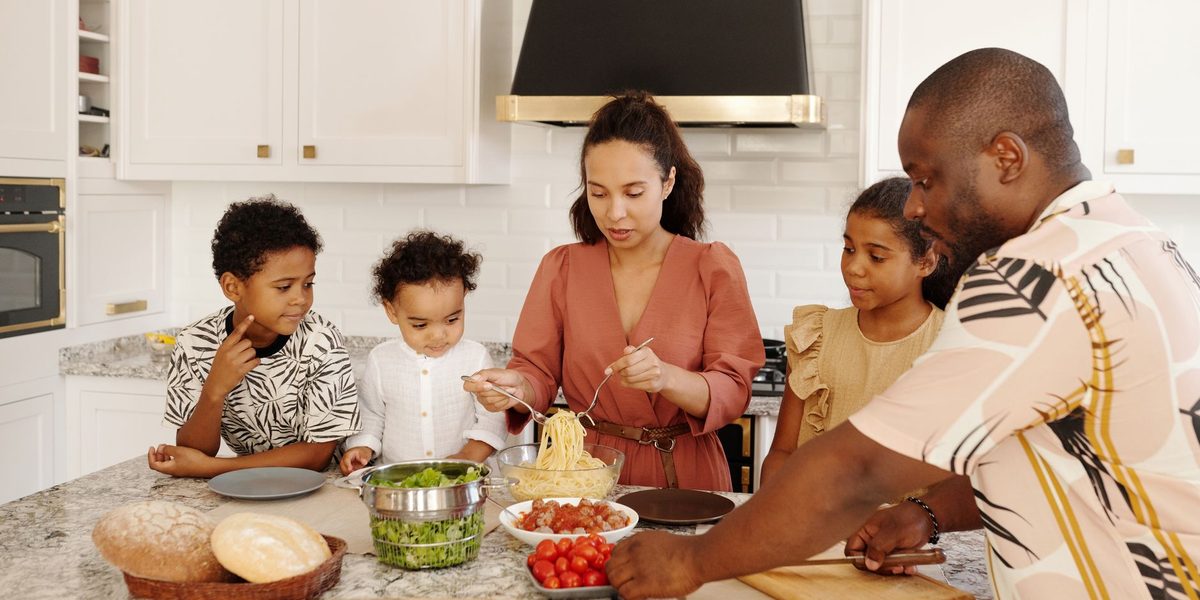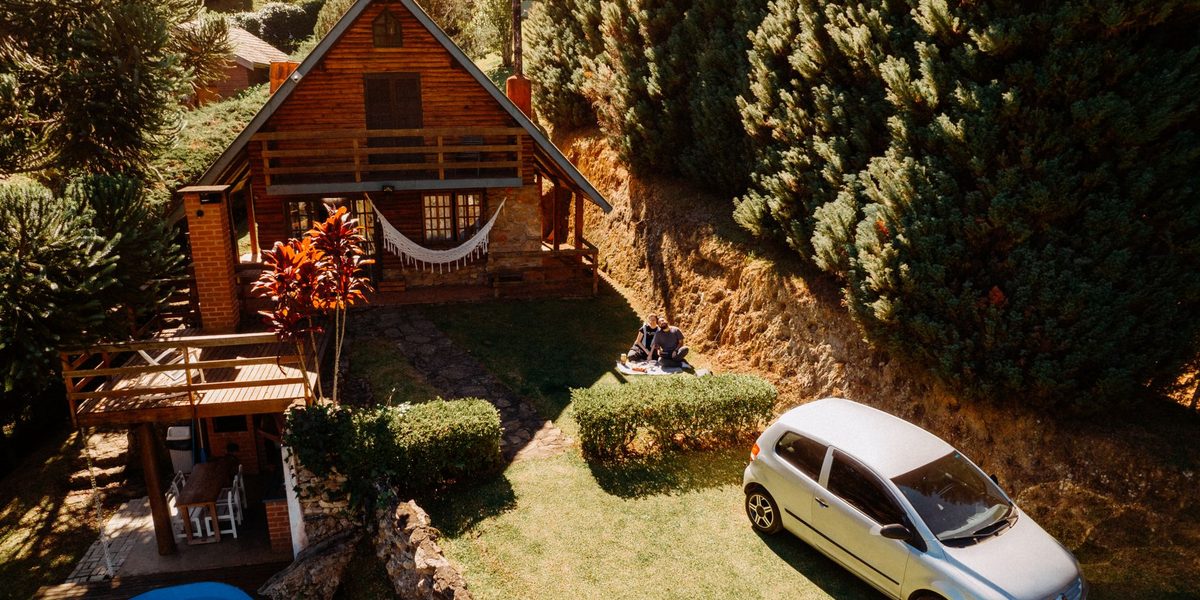
Ask any experienced parent to diagnose a family vacation meltdown and they will ask one question first: when did everyone last eat? Food is the hidden operating system of a family trip. It sets the mood, drives the schedule, drains or protects the budget, and determines whether 5 p.m., the hour when every travel day teeters, tips toward a pleasant evening or a roadside crisis. Yet most families plan their meals with a fraction of the attention they give hotels and activities, assuming they will simply find something when people get hungry. With one or two adults, that works. With children of assorted ages, appetites, and opinions, it is a strategy with a one hundred percent eventual failure rate. Feeding a traveling family well does not require reservations or culinary ambition. It requires a rhythm, a snack doctrine, and a little honesty about what vacation meals are actually for.
Adopt the One-Real-Restaurant-a-Day Rhythm
The families who eat happily on vacation almost all converge on the same pattern: one true restaurant meal a day, usually dinner, with the other meals kept simple, cheap, and low-friction. Three restaurant meals a day sounds like vacation luxury but performs like a punishment: three rounds of waiting for tables with hungry kids, three negotiations over menus, three bills, and roughly four hours a day spent managing children in chairs.
Flip the pattern and everything eases. Breakfast happens where you woke up. Lunch is portable and eaten wherever the day already is. Dinner gets the full treatment, chosen with care, because everyone has the patience for exactly one production meal a day. This rhythm cuts food costs dramatically, but the bigger dividend is time and temper: the hours reclaimed from restaurant waits become pool hours, and the kids arrive at dinner actually able to enjoy it.
Make Breakfast Boring on Purpose
Vacation breakfast is not the meal to be interesting. Children wake up hungry and routine-shaped, and a familiar breakfast in pajamas is the single cheapest way to start every day on rails. This is the strongest argument for lodging with any kind of kitchen: not gourmet cooking, just the ability to produce cereal, toast, fruit, and yogurt at 6:50 a.m. without dressing four people first. Shop for breakfast supplies within hours of arriving, a ritual first-evening grocery run, and the whole week's mornings are solved.
If the lodging offers an included breakfast instead, treat it as the same tool: fast, early, routine. Save the special breakfast out, the pancake house, the bakery discovery, for one designated morning where it is the event, not the obstacle before the event. A breakfast that takes ninety minutes on an aquarium day is not a treat; it is a nap-schedule wrecker wearing syrup.
Build Lunch Around the Day, Not the Day Around Lunch
Lunch is where traveling families lose the most time to the least memorable food. The fix is making lunch portable by default: sandwiches from the morning kitchen, a grocery-store picnic, a cooler in the trunk. A picnic lunch happens wherever the family already is, the beach, the trailhead, the park with the good playground, which means no transition, no wait, and a meal that doubles as downtime in the shade.
Keep a small kit that makes this effortless: a soft cooler, a cutting board and knife, a few reusable containers, wipes, and a blanket. Restocked every day or two at local grocery stores, the kit pays for itself in a single skipped counter-service meal, and grocery stores in new places are quietly one of the better kid activities on any trip, full of unfamiliar snacks and low-stakes choices children love to make.
Run the Snack Supply Like a Quartermaster
Snacks on a family trip are not treats; they are mood infrastructure, and they should be managed with the seriousness that implies. The core principle is that snacks are scheduled and adult-controlled, not ambient and on-demand. A child who grazes all day arrives at every meal uninterested and at every low moment unsupported; a child on a snack rhythm, mid-morning and mid-afternoon, stays fueled and still eats dinner.
Build the supply in two layers:
- The daily carry: whatever the outing needs, crackers, fruit, cheese, granola bars, water for everyone, carried by an adult and dispensed on schedule.
- The strategic reserve: a stash that never leaves the room or car, for delays, rainy afternoons, and the child who declared dinner disgusting and reconsidered at 8 p.m.
Favor boring, familiar, low-sugar snacks for the rhythm and save novelty snacks as event material for drives and waits. And always pack one more round than the plan requires, because every family eventually learns that the gap between a snack shortage and a full meltdown is about twenty minutes.
Handle Picky Eaters With Diplomacy, Not Campaigns
Vacation is the worst possible venue for fixing a picky eater, and the families who try turn every dinner into theater nobody enjoys. Set the campaign aside for the week and play diplomat instead. Scout menus before choosing restaurants so there is one reliable option for the selective eater; with that safety net visible, kids are actually more willing to try a bite of something new, because nothing is riding on it. Casual places with broad menus beat destination restaurants for most family dinners, and anywhere the family can eat outside adds twenty minutes to every child's patience.
Feed the youngest before they are starving, even if that means an appetizer ordered immediately or a pre-dinner snack that offends adult sensibilities. A child slightly fed is a child capable of restaurant behavior; a child kept pure and hungry for the sake of the meal will make the meal impossible. And let vacation food be a little fun on purpose. The trip where ice cream happened more often than usual is not a parenting failure. It is a vacation.
Feed the Grown-Ups Too, Including the Ones With Opinions
Family meal planning tends to orbit the children until the adults quietly starve on crusts and abandoned fries. Put the grown-ups back in the plan. If the trip includes grandparents, respect the realities: earlier dinner hours are usually a relief to everyone rather than a concession, and a chair, shade, and a bathroom matter more than any menu. If two adults are along, trade one lunch or one evening apiece where each gets the meal they actually want, the good coffee alone, the interesting restaurant with the teen while the toddler sleeps under the other parent's watch.
Adults also run on the snack rhythm, whether they admit it or not. A protein bar handed to a flagging parent at 4 p.m. has saved more family evenings than any restaurant reservation ever booked.
Final Thoughts
Nobody comes home from a family vacation raving about how efficiently everyone was fed, and that is exactly the sign of it done well: food that ran so smoothly it disappeared into the background, leaving room for the trip itself. One real restaurant a day, boring breakfasts, picnics that go where the fun is, snacks run on schedule, and a truce with the picky eater. None of it is glamorous, all of it is doable, and together it defuses the single most common cause of vacation misery. Feed the family on rhythm, and the trip gets to be about the beach, the mountains, and each other, which is what everyone actually came for.