Somewhere in family-vacation culture, an idea took hold that a trip's value scales with its distance: the farther the flight, the realer the vacation. Parents apologize for staying nearby the way people apologize for regifting. But ask children about their favorite trips and a different pattern emerges. Kids rate vacations on texture, not mileage: the hotel pool, the new breakfast, sleeping somewhere different, having their parents unhurried and undistracted for three days straight. Every one of those is available ninety minutes from your front door, at a fraction of the cost and none of the jet lag. The close-to-home vacation is not the consolation prize of family travel. Done deliberately, it is one of its best formats, and the deliberateness is the whole trick. Here is how to plan a nearby trip that feels, to everyone who matters, like a genuine getaway.
Why Near Beats Far More Often Than Parents Admit
The economics of a family trip are not just financial; they are energetic. A far trip spends enormous family energy on transit, the packing for every contingency, the travel day that consumes a full day of vacation at each end, the schedule wreckage of time changes, and with young children, transit is the hardest part of any trip. A near trip spends almost nothing on transit and puts the entire energy budget into the vacation itself. Two hours after leaving home, the family is already in the pool.
Nearness also buys resilience. A forgotten medication is a detour, not a disaster. Weather that ruins the weekend can be answered by rescheduling rather than mourning airfare. A toddler who spikes a fever is a familiar drive from the family's own pediatrician. That safety margin changes how parents carry themselves, and children read parental relaxation better than any itinerary. A calm parent at a nearby lake outperforms a stressed one at a famous beach, every single time.
Cross a Real Threshold, Even a Small One
The one thing a close trip must do is feel like leaving, because the feeling of departure, not the distance, is what flips the family into vacation mode. That means crossing a threshold: sleeping somewhere that is not home, even one town over. The single most common close-trip mistake is commuting to the fun from your own house to save money, which quietly keeps everyone tethered to laundry, chores, and the gravitational pull of normal life. The overnight is not an extravagance; it is the mechanism.
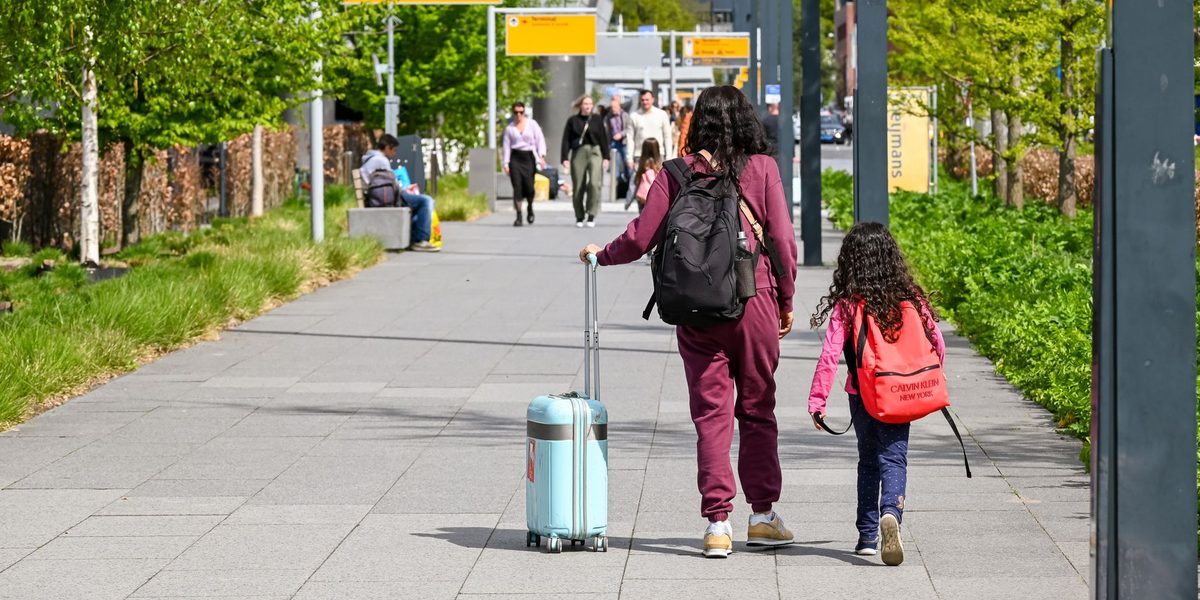
Amplify the threshold with small theatrics. Pack real suitcases even for two nights. Let the kids make the departure playlist. Stop somewhere on the way, a diner, a fruit stand, a scenic pull-off, because a journey with a stop feels like a journey. Announce arrival like it matters. Children take their cues about an experience's size from the ceremony around it, and ceremony is free.
Choose a Base With Built-In Wonder
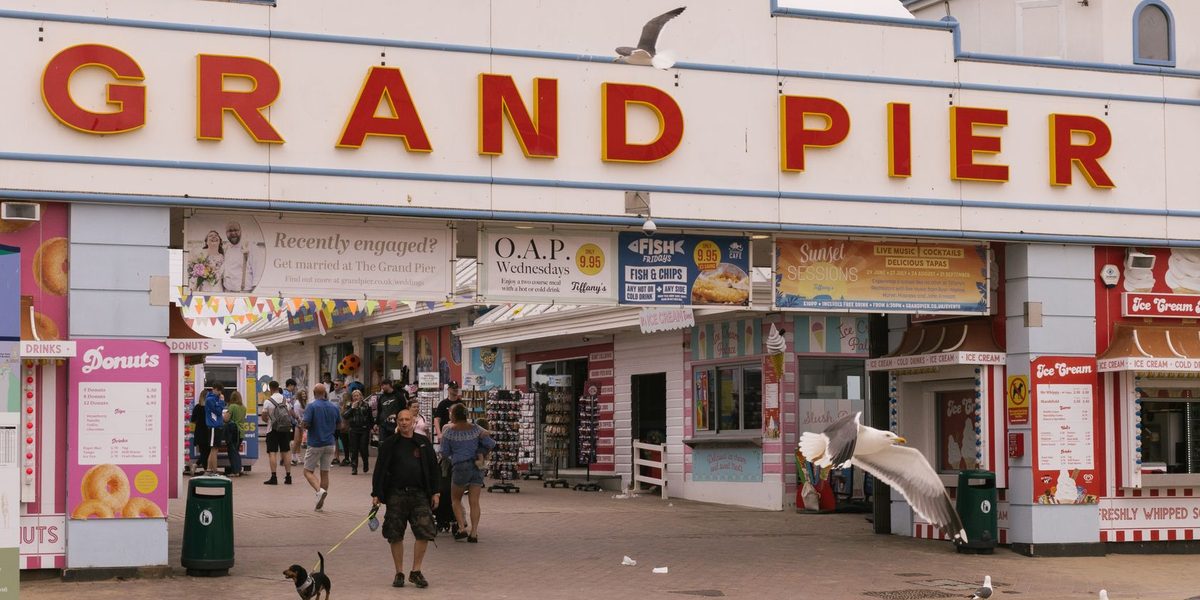
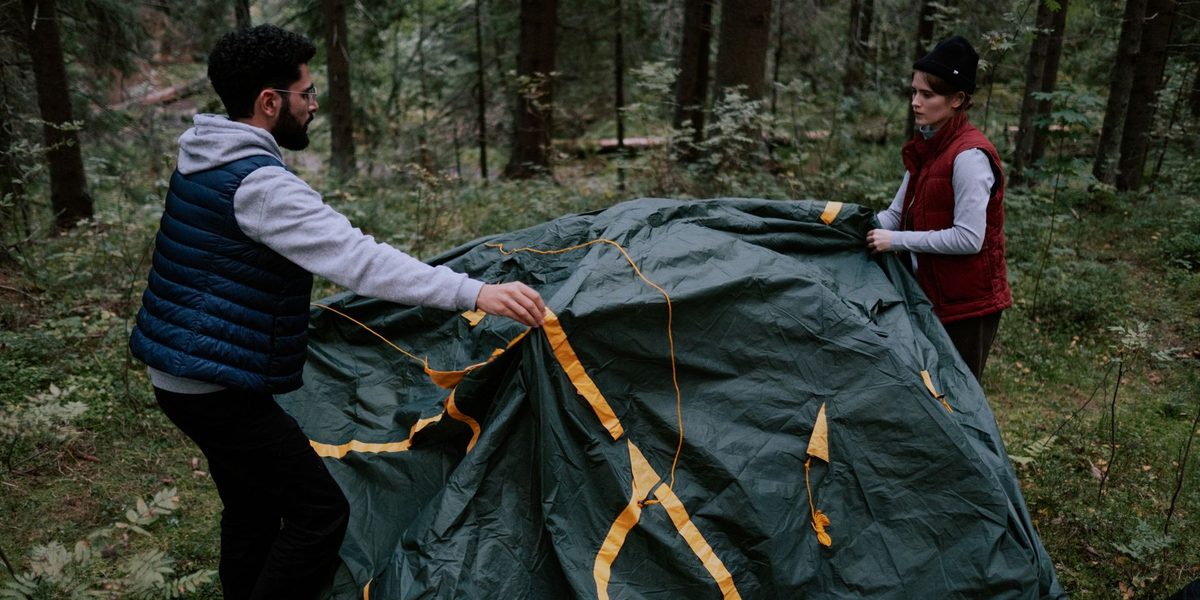
Close-to-home trips succeed or fail on the choice of base, because the base has to carry atmosphere the way a far destination carries novelty. The reliable choices share a trait: they are engines of kid-delight on their own, before any itinerary. A hotel or lodge with a good pool is the classic, and for children under ten, honestly sufficient. A state park cabin puts the family inside trails, water, and campfire smoke. A small town with a walkable main street, an ice cream shop, and a lake or river supplies a weekend by itself. A city an hour away, seen from a hotel in its center, is a foreign country to a seven-year-old from the suburbs.
Apply one filter above all: can the family walk from where it sleeps to where the fun is? A base where the car stays parked for the whole stay produces a qualitatively different trip, looser, more spontaneous, more vacation-like, than one requiring a drive to every activity. Nearby trips live or die on that looseness.
Put On Tourist Eyes
The deep skill of the close-to-home vacation is a perceptual one: treating the familiar region the way a visitor from across the world would. Tourists in your area do things you have never done, and the gap is usually embarrassing and wonderful. The correction is to plan the nearby trip with actual tourist tools, read a travel guide's list for your own region, check what visitors rank as unmissable, and let the kids research the area as if it were foreign, because to them, most of it is.
Fill the days with the things proximity always postponed:
- The landmark, museum, or famous attraction locals perpetually skip because it will always be there.
- The boat ride, train ride, or tour that felt too touristy, which is precisely why it is fun.
- The regional food thing done properly, the pick-your-own orchard, the famous pie stop, the fish shack.
- The highest viewpoint, the biggest tree, the oldest building, superlatives are catnip to children.
Families consistently report the same surprise afterward: the place an hour away contained a full vacation's worth of material, hidden in plain sight behind the words we could do that anytime.
Guard the Boundary Against Normal Life
The near trip has one enemy the far trip lacks: permeability. Home is close enough that normal life will try to leak in, the quick errand on the way, the one work call, the swing by the house for a forgotten jacket, the sports practice someone suggests slipping back for. Every leak drains the vacation feeling, and enough of them convert the getaway back into a weekend of driving. Defend the boundary explicitly: the trip has dates and, within them, the family is away, as unreachable for chores and drop-bys as if a flight were involved. No returning home mid-trip for anything short of genuine need.
The same discipline applies to devices and, hardest of all, to parental mental location. The trip works when the parents actually leave, not just geographically. Set the away message, mute the group chats, and let the kids see it happen. On a close trip, distance cannot do the work of separation, so intention has to.
Spend the Savings on Texture
A nearby trip can cost a fraction of a flying vacation, and the wise move is to spend a slice of the savings making the small trip feel rich rather than banking every dollar. Texture is cheap at this scale: the room upgrade with the balcony, the unhurried nice dinner, the kayak rental without agonizing, dessert twice, the aquarium tickets plus the carousel instead of choosing between them. These are the details children file under this was a fancy trip, and they cost pocket change next to airfare for four.
Then close the weekend with ritual, because rituals are how families convert events into tradition. The same last-morning pancake spot, the family photo at the same overlook, the drive-home game of naming the trip's best moment. A close-to-home vacation that repeats annually, same lake, same cabin, same rituals, quietly becomes the trip the kids defend most fiercely when anyone proposes skipping it, and eventually the one they drive their own children to.
Final Thoughts
Families postpone joy waiting for the someday-trip, the big one, the far one, the one the budget and the calendar keep deferring, while a genuine vacation sits an hour away, available almost any weekend. Take the near trip seriously and it returns the favor: cross a real threshold, choose a base with built-in wonder, wear tourist eyes, seal the boundary against normal life, and spend a little of the savings on texture and ritual. The kids will not remember the odometer. They will remember the pool, the pancakes, the tower they climbed, and parents who were entirely, unhurriedly there. That is the whole recipe for a great family vacation, and it has never required a boarding pass.