Anyone who has stepped barefoot on a building brick at midnight knows the paradox of the modern playroom: the more toys a child has out, the less they seem to play — and the more the whole family drowns in plastic. Watch a toddler in a room with a hundred visible options and you will see it: they skim, dump, and drift, overwhelmed by the buffet. Watch the same child with eight toys and they go deep, building and narrating for an hour. Toy rotation is the household routine built on that observation, and paired with a few pickup rhythms, it does something most parents assume is impossible: a play space that resets in five minutes, toys that feel perpetually fresh, and a child who plays better with less.
Why Rotation Works on Children
Novelty drives play, but novelty is a renewable resource — a toy that vanishes for a few weeks returns as a new toy, greeted with genuine delight. Rotation exploits this loop deliberately: a small set of toys stays out; the rest rests in storage; and on a regular rhythm, the cast changes. Children get the thrill of new arrivals without a single purchase, and the toys already owned finally earn their keep.
The second effect is subtler and matters more. A limited set of visible toys lowers the room's stimulation level, and lower stimulation produces longer, deeper, more inventive play — the kind where a child sustains a story instead of surfing between bins. Parents who try rotation expecting only tidiness are usually startled by this part: the fighting-boredom problem shrinks too, because boredom was never about the quantity of toys. It was about the noise.
Do the Great Sort First
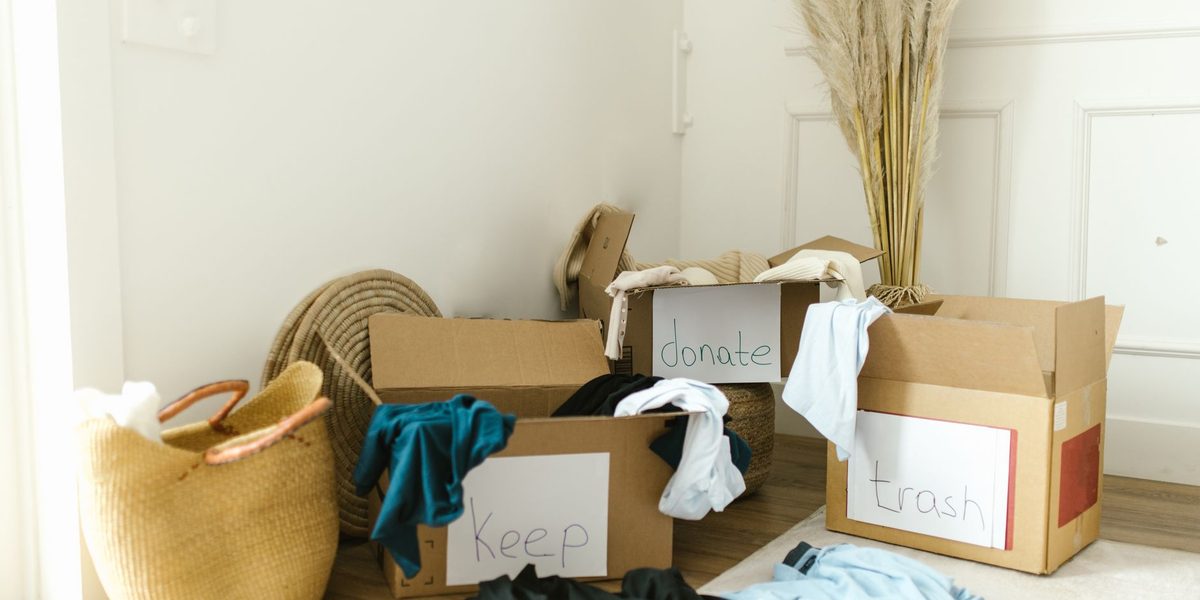
Rotation starts with one honest pass through everything the household owns, done when the children are occupied or, for older kids, done together under the family's normal decluttering rules — nothing of theirs vanishes without their say. Sort into four piles: broken or missing critical pieces (bin, without ceremony), outgrown or never loved (donate), keep, and a small pile of always-out anchors — the beloved lovey, the current obsession, the open-ended core like blocks that never rotate.
Then split the keep pile into three or four roughly balanced sets, and balance them by play type rather than randomly: each set gets something to build with, something to pretend with, something with wheels or motion, something quiet like puzzles or art supplies, a few books. Each set should feel like a complete little play world on its own. Box the resting sets, label them, and store them out of sight — a high closet shelf, under-bed boxes, the garage. Out of sight is a functional requirement, not a nicety.
Run the Swap as a Ritual, Not a Chore
Pick a rhythm — every two to four weeks suits most families, and tying it to something memorable like the first of the month makes it self-enforcing. Then make the swap itself an event: box the outgoing set together, open the incoming one like a delivery, and let the child rediscover. Ten minutes, once a month, is the entire operating cost of the system.
Two ground rules keep it healthy. First, the sets are guidelines, not law — if a resting toy gets specifically requested, it comes out, traded for something from the floor; rotation should feel like abundance, not rationing. Second, watch what gets ignored across multiple rotations, because the sets quietly generate the best donation intelligence a family can have. A toy that three consecutive rotations could not make interesting is a toy ready to move on, and children agree far more readily about a toy that just spent two months in a box.
Build Storage a Child Can Actually Run
The playroom routine is only as good as its furniture, because a child can only maintain a system built at child scale. The pattern that works is low open shelves with one kind of thing per bin, labeled with pictures for pre-readers. Deep toy chests are where play sets go to die — everything below the top layer effectively ceases to exist, and finding anything means dumping everything.
- One bin, one category: vehicles together, animals together, bricks together. Sorting is where cleanup speed comes from.
- Keep bins light and liftable, and never filled past an easy carry for the child who owns them.
- Give sets-with-pieces (puzzles, games) a parent-height shelf and a one-at-a-time habit, or the pieces will interbreed.
- Leave visible empty space on the shelves. Full storage at the start of the system means the system is already over capacity.
The test of the setup is a simple one: can the youngest user put everything away without help or memory? If not, the room needs fewer categories, not a tidier child.
Anchor Pickup to the Day's Hinges
Even a rotated room needs reset routines, and the ones that stick are anchored to transitions that already happen. The strongest is the one-thing-out habit during play — the puzzle goes back before the blocks come out — which is really a habit of parents modeling it early, casually, for years. The second is the pre-dinner or pre-bed five-minute sweep: timer on, music if it helps, everyone including an adult, everything to its bin. Because the bins are categorical and the toy count is low, five minutes is genuinely enough, which is the entire reason children stop resisting it.
For big construction projects and elaborate pretend setups, offer the dignity of persistence: a designated project corner or a low tray where a build-in-progress may live overnight, legally. Children fight cleanup hardest when cleanup means destruction; a protected spot for the masterpiece converts the fiercest resister into a negotiator.
Manage the Inflow or the System Refills
Every toy system faces the same tide: birthdays, holidays, party bags, and the affection of grandparents. Without an inflow policy the rotation quietly re-bloats within a year. The workable pieces: a one-in-one-out habit where new arrivals prompt a donation choice by the child; a family gift culture nudged — gently, and with grandparents especially — toward experiences, consumables like art supplies, or additions to loved existing sets rather than new standalone plastic; and a standing donation box in the closet so outgrown toys have somewhere to go the moment they are outgrown.
After holidays, resist putting everything new out at once. New toys entering the rotation gradually — some going straight into resting sets — stretch the novelty across months and spare the January playroom its traditional collapse. Children who live with rotation accept this with surprising ease; the boxed gifts are not gone, they are coming soon.
Final Thoughts
A contained playroom is not the reward for a naturally tidy child; it is the output of a system sized to real children: fewer toys out, resting sets that recycle novelty, storage the youngest user can operate, pickup anchored to the day's transitions, and a valve on the inflow. Set it up over one weekend — sort, split, box, label — and expect the payoff within days: deeper play, five-minute resets, and a floor you can cross barefoot at midnight without incident. Start smaller if the full version feels like too much; even boxing up half the toys for a month, with no other changes, will show you the effect and recruit you to the rest. The toys stop running the room, and the room goes back to serving the family — and the actual play — it was always meant for.