Camping occupies a strange place in family imagination: half the parents remember it as the best part of their own childhood, and half regard it as voluntary hardship with insects. Both camps are right, because family camping is entirely a function of planning. The same weekend that produces s'mores, constellations, and kids who talk about it for months can also produce a leaking tent at 2 a.m. with a crying four-year-old, and the difference is rarely luck. First-time family camping fails in predictable ways, wrong campground, untested gear, ambitious cooking, no rain plan, and every one of those failures is preventable from a kitchen table two weeks out. Here is how to plan a first trip that earns a second.
Choose the Campground Like a Beginner, Proudly
Experienced campers chase solitude; first-time family campers should chase infrastructure. The right first campground is close to home, ideally under ninety minutes, so a true disaster is a drive, not an ordeal, and it has the unglamorous amenities that keep small children functional: real bathrooms, running water, a camp store for the forgotten essentials, and sites you can park beside. A playground, a swimming spot, or a ranger program is a bonus that does hours of entertainment work for free.
Book a site with thought rather than luck. Near the bathrooms but not beside them is the classic family calculation, close enough for the midnight toddler run, far enough to avoid the foot traffic and the door. Shade matters more than view for napping children, and a site with a decent buffer from neighbors forgives the 6:30 a.m. wake-up your family will absolutely produce. One more beginner's advantage worth taking: go for one or two nights, not a week. A short trip that ends with everyone wanting more is a complete success and the correct foundation.
Run the Backyard Dress Rehearsal
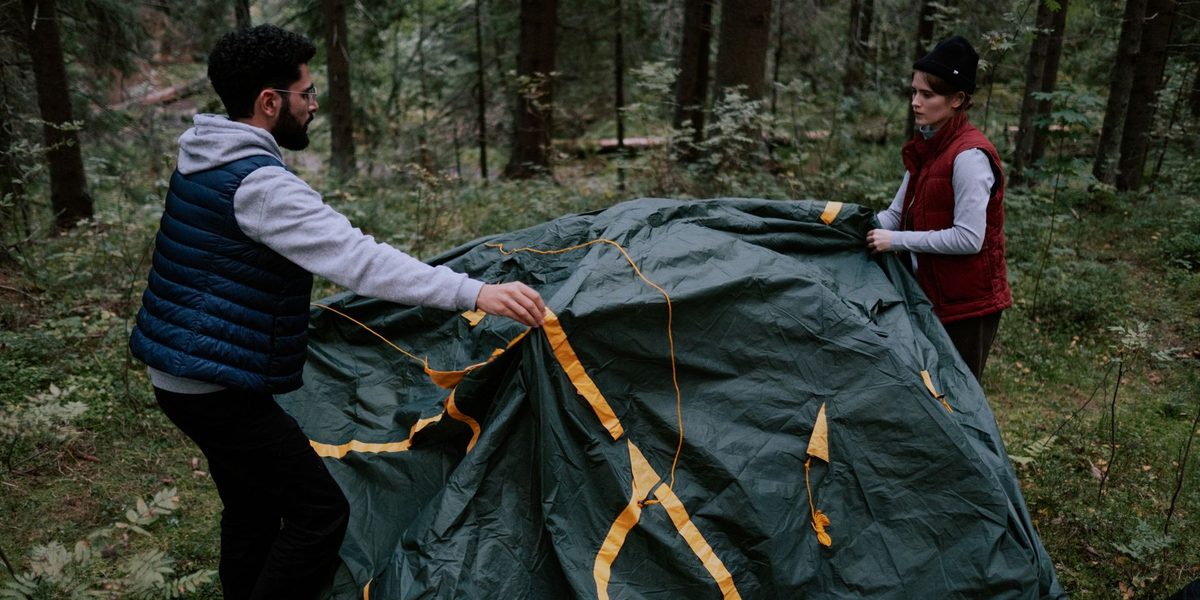
The single highest-value hour of camping preparation is the trial run: pitch the tent at home before the trip, in the backyard or even the living room, with the kids helping. The rehearsal does three jobs at once. It surfaces gear problems, the missing pole, the mystery instructions, the sleeping pad that no longer holds air, while the store is still ten minutes away. It converts the tent from a strange dark box into a familiar fort, which matters enormously to a preschooler at actual bedtime in the actual woods. And if you let the kids sleep out one night in the yard, it rehearses the sounds-weird, feels-different part of camp sleep with a bathroom and a bailout twenty feet away.
Inflate the sleeping pads, zip the bags, lie down in the arrangement you intend to use. Adults who discover at home that they need a second pad or a real pillow arrive at the campground cheerful. Adults who discover it at midnight in the woods do not.
Feed the Camp Simply and Theatrical
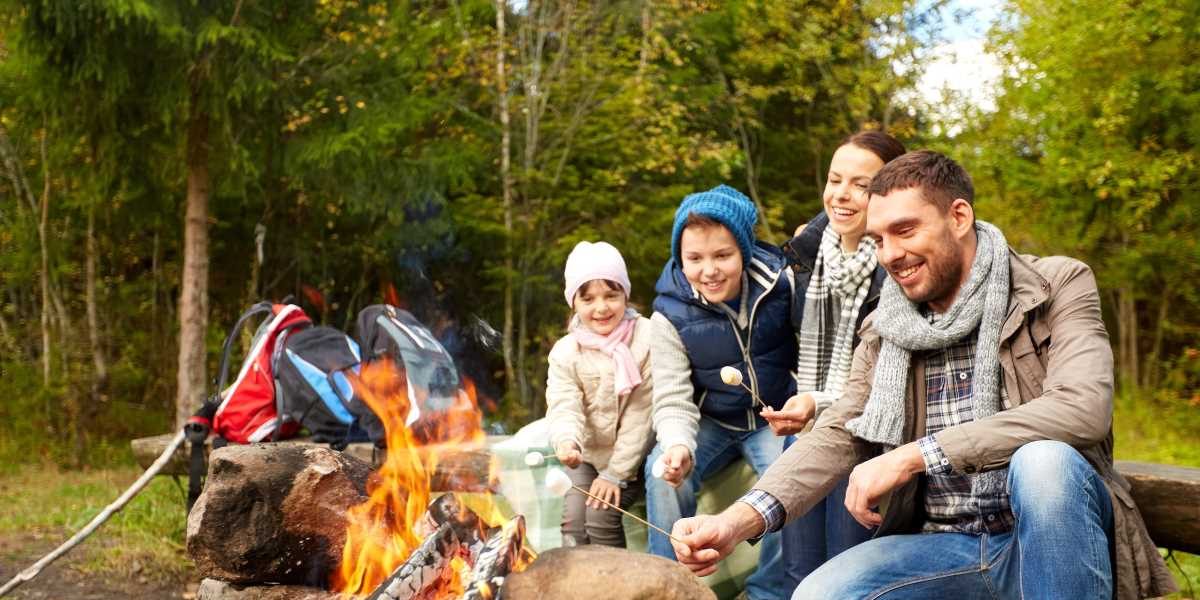
Camp cooking is where first-timers overreach, packing marinades and ambitions and spending the whole trip hunched over a stove. The winning strategy is meals that are simple in labor but theatrical in presentation, because to children, the theater is the food. Hot dogs on sticks are cuisine at a campfire. Foil packets, assembled by the kids themselves, prepped mostly at home, and cooked in coals, feel like wizardry. Pancakes from a shaker bottle, quesadillas in a pan, and the sacred s'more complete the entire required repertoire.
Do the real work at home: chop, marinate, pre-mix, and pack a cooler organized by meal rather than by food type. Bring double the snacks you consider sane, because outdoor children run hungry, and never build a first-trip meal around a technique you have not tried. The corollary rule keeps morale insured: coffee for the adults must be tested and guaranteed, and one backup meal should require nothing but a can opener, for the evening when rain or exhaustion wins.
Give Every Kid a Camp Job
At home, chores are a negotiation; at a campsite, jobs are a promotion, and smart parents exploit the difference shamelessly. A child with a real camp responsibility stands taller all weekend and, not incidentally, stays occupied. Match the job to the age: a four-year-old is Chief Stick Collector for the fire pile and inspector of the marshmallow supply; a seven-year-old runs the lantern department and leads the tent-pole sorting; a ten-year-old owns water-bottle refills and co-pilots the camp stove under supervision; a teenager gets actual authority, fire tending with an adult nearby, dinner for one night, or navigation on the hike.
Assign the jobs before the trip, during the packing, so ownership starts early. The same principle solves the entertainment question, because a campground barely needs an itinerary. A hike measured in kid-miles, which are short, a creek, a deck of cards, flashlight tag at dusk, and the fire itself will fill the hours. The parents' job is mostly to resist over-scheduling the woods.
Plan the Night Before It Happens
Night is where camping trips are won and lost, so plan it like the main event. Start bedtime earlier than feels natural, because the transition takes longer at camp: the teeth-brushing walk, the last bathroom trip, the settling of a child into an unfamiliar bag all stretch. Keep the home bedtime sequence recognizable, the same books by headlamp, the same songs, and station the youngest child between a parent and the tent wall, not by the door.
Prepare for the two guaranteed events. First, someone will need the bathroom at 1 a.m.; keep shoes staged by the door, a headlamp in reach, and answer the summons without drama. Second, a child will hear a noise; name it calmly, a raccoon conducting inspections, the wind auditioning, and treat it as camp entertainment rather than a threat to be debated. Cold is the silent bedtime enemy, so dress kids in more than the daytime suggested, a hat included; a warm child sleeps through nearly anything, and a cold one sleeps through nothing.
Write the Rain Plan Before You Need It
Weather is the one variable no campground amenity fixes, so the rain plan gets written at home. It has three tiers. Tier one, drizzle: rain gear for everyone, because a kid in real rain boots and a jacket regards wet weather as an upgrade, and the campground in light rain is empty and wonderful. Tier two, a rainy stretch: the tent becomes the fort, and the fort has provisions you packed for exactly this, cards, a new cheap game, downloaded movies as the break-glass option, plus a tarp rigged over the picnic table so camp life continues under cover.
Tier three is the honest one: the forecast turns genuinely ugly, and the family goes home. Write that trigger down in advance and treat retreat as a competence, not a defeat. You live ninety minutes away by design, and the family that bails cheerfully at noon with a diner breakfast on the way home has banked a funny story instead of a traumatic one. The trip's real goal is wanting to come back.
Final Thoughts
A first family camping trip is not a wilderness expedition; it is a controlled experiment in whether your family enjoys sleeping outside, run under the most forgiving conditions you can arrange. Pick the close campground with the good bathrooms, rehearse the tent at home, cook simple theater, hand out jobs, plan the night, and hold a written rain plan including the retreat clause. Get those right and the woods will handle the rest of it, the fire, the stars, the owl at midnight, the specific pride of a child who collected the sticks that cooked dinner. That is the version of camping worth planning for, and it is thoroughly within reach of any family willing to prepare like a beginner.